Generally speaking, there is no absolute, fixed timeframe for the service life of a linear guide block. Within the industry, the total running distance is universally adopted as the primary metric for defining rated life. However, the actual duration of usability depends entirely on the suitability of the model selection, installation precision, operating environment, and the quality of routine maintenance.
1. The Discrepancy Between Rated Life and Actual Service Life for Linear Guides
According to the international standard ISO 14728, the *rated life* (specifically, the L10 life) of a linear guide is defined as the total running distance—for a batch of guides of identical specifications—at which 90% of the guide blocks can operate continuously under their rated dynamic load without experiencing metal fatigue spalling. Specifically, the baseline rated life for ball-type linear guides is 50 km, while for roller-type guides, it is 100 km. Most mainstream industrial-grade linear guides meet this standard, while high-end series from top-tier brands can achieve performance levels that are several times higher.
2. Actual Service Life Under Varying Operating Conditions
In practical production scenarios, the actual service life varies significantly depending on the specific operating conditions:
2.1 Precision, Light-Load Scenarios
Applications such as 3C automation (consumer electronics), semiconductor inspection, and laboratory equipment. In these settings—where the load ratio is kept below 30%, the environment is clean and dust-free, and regular maintenance is performed according to specifications—the actual running distance of the guide blocks typically reaches between 500 and 1,000 km. For equipment operating continuously 24 hours a day, normal usage can extend for 5 to 8 years without any noticeable degradation in performance.
2.2 General Industrial Scenarios
Applications such as CNC machine tools, standard automated production lines, and packaging machinery. In these settings—where the load ratio ranges from 30% to 50% and the environment is a typical workshop—provided that basic lubrication and dust protection measures are implemented, the actual running distance usually falls between 100 and 300 km. Under normal operating conditions involving standard start-and-stop cycles, the service life can be reliably maintained within a range of 3 to 5 years.
2.3 Heavy-load and Harsh Operating Conditions
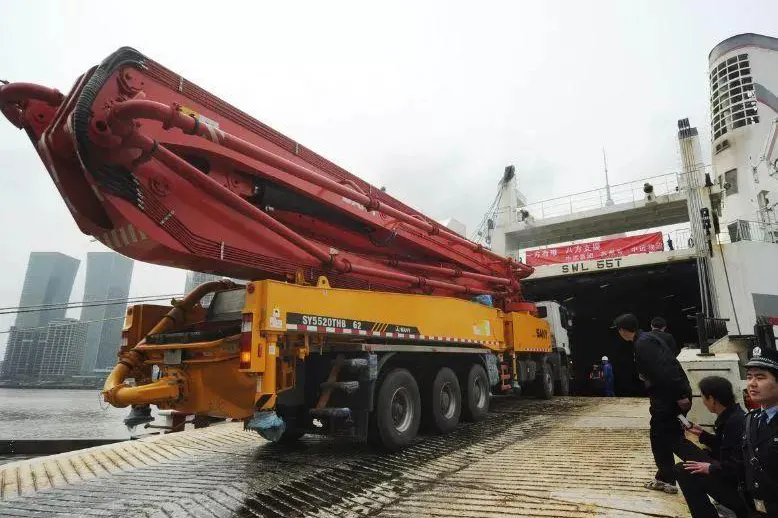
In applications such as woodworking machinery, stone cutting, metallurgical equipment, and heavy-duty outdoor machinery—where the load ratio exceeds 50% and the environment is characterized by heavy dust, oil contamination, and extreme temperature fluctuations—even with regular maintenance, the actual operational travel distance of guide rails and sliders often amounts to only 50 to 100 km. Consequently, the sliders—or even the entire guide rail assembly—typically require replacement every 1 to 3 years.
3. Primary Causes of Premature Failure in Guide Rails and Sliders
In actual production environments, over 80% of guide rails and sliders fail prematurely rather than reaching their rated service life. The core reasons for this phenomenon are primarily concentrated in the following areas:
3.1 Poor Lubrication
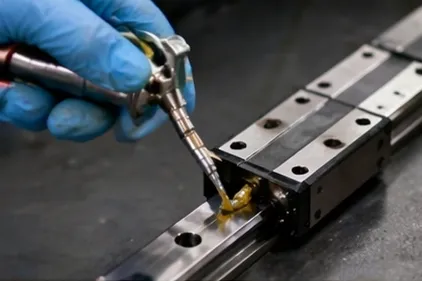
Industry data indicates that approximately 40% of guide rail damage is attributed to this factor. Insufficient oil, the selection of an incorrect grease type, or grease contamination can cause the raceways and steel balls to undergo dry friction, thereby directly reducing the service life to less than 30% of its normal value.
3.2 Improper Selection/Overloading
Operating consistently at a load exceeding the rated capacity by more than 20% will directly reduce the slider’s service life by approximately 50%.
3.3 Installation Errors
An uneven mounting base for the guide rail or a deviation in the parallelism between dual rails subjects the sliders to additional lateral forces, directly accelerating the wear rate by more than two-fold.
3.4 Contaminant Intrusion
Dust, metal chips, and cutting fluids account for 25% of all damage causes; these contaminants can directly scratch the raceways, leading to pitting and premature failure.
If you are looking to select guide rails that offer stable longevity and are perfectly suited to your specific operating conditions—or if you require professional selection guidance and comprehensive technical support throughout the product lifecycle—please visit the CSK Linear Guide supplier.
4. How to Select Guide Rails with Stable Longevity That Are Suited to Specific Operating Conditions
CSK offers a diverse range of product categories, including self-lubricating linear guides and the “M Series” of high-temperature-resistant guides featuring metal end caps. All products are manufactured in strict compliance with ISO industry standards, and their rated service life rivals that of leading international brands. Notably, the “SR” self-lubricating series features a built-in, pipe-free lubrication structure that significantly simplifies maintenance and substantially extends the service life of the guide rails under standard operating conditions. Conversely, the “M” series—with its metal end caps—is robustly designed to handle harsh environments characterized by high temperatures and heavy dust, thereby ensuring operational stability even under complex environmental conditions. Our platform’s standard products can be delivered in as little as 15 days. We offer a three-year warranty on complete units, along with complimentary technical training, installation guidance, and after-sales support, providing customers with a comprehensive, one-stop solution for linear motion systems.
5. Practical Tips for Extending Guide Rail Lifespan
Finally, here are several practical tips that can genuinely help extend the service life of guide rails:
5.1 Selection
When selecting a model, be sure to calculate requirements based on actual load, speed, and available installation space. Ensure an adequate safety margin is reserved; do not attempt to force a light-duty series to operate under heavy-duty conditions.
5.2 Installation
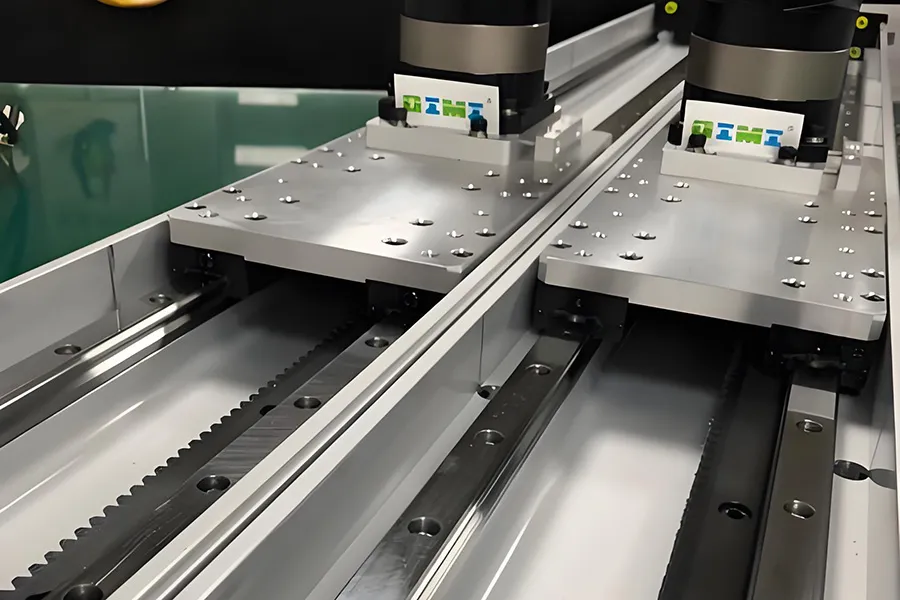
During installation, strictly control the flatness of the mounting base and the parallelism between dual rails. This prevents internal stresses caused by forced alignment and minimizes excessive wear right from the source.
5.3 Maintenance
Select the appropriate specialized lubricant or grease based on operating conditions, and establish a fixed schedule for relubrication. Additionally, ensure effective dust protection measures are in place, and promptly replace any aging seals.
5.4 Operation
If any abnormal noises, jamming, or a decline in precision occur during operation, stop the equipment immediately for inspection. Do not continue running the system while damaged, as this will only exacerbate component wear and failure.
Summary
Linear guide rails are a critical component in mechanical equipment. Extending their service life not only enhances the overall performance of the machinery but also reduces maintenance costs. By implementing measures such as regular inspection, lubrication, cleaning, rust prevention, and proper usage, the lifespan of linear guide rails can be significantly extended, thereby ensuring their long-term, stable operation.