In the wave of Industry 4.0, automation technology is rapidly transforming the global manufacturing landscape. As a core component of the modern industrial revolution, automation not only improves production efficiency and product quality but also drives the upgrading of factory management methods. Among these changes, the application of linear modules is particularly crucial. As an important part of automated equipment, it is bringing new opportunities and challenges to factories.
1. Improved Production Efficiency
One of the greatest benefits of automation for factories is its significant improvement in production efficiency. Traditional production methods typically rely heavily on manual labor, resulting in significant human error, physical limitations, and unstable work rhythms. The introduction of automated equipment enables factories to operate 24/7, greatly improving production line efficiency.
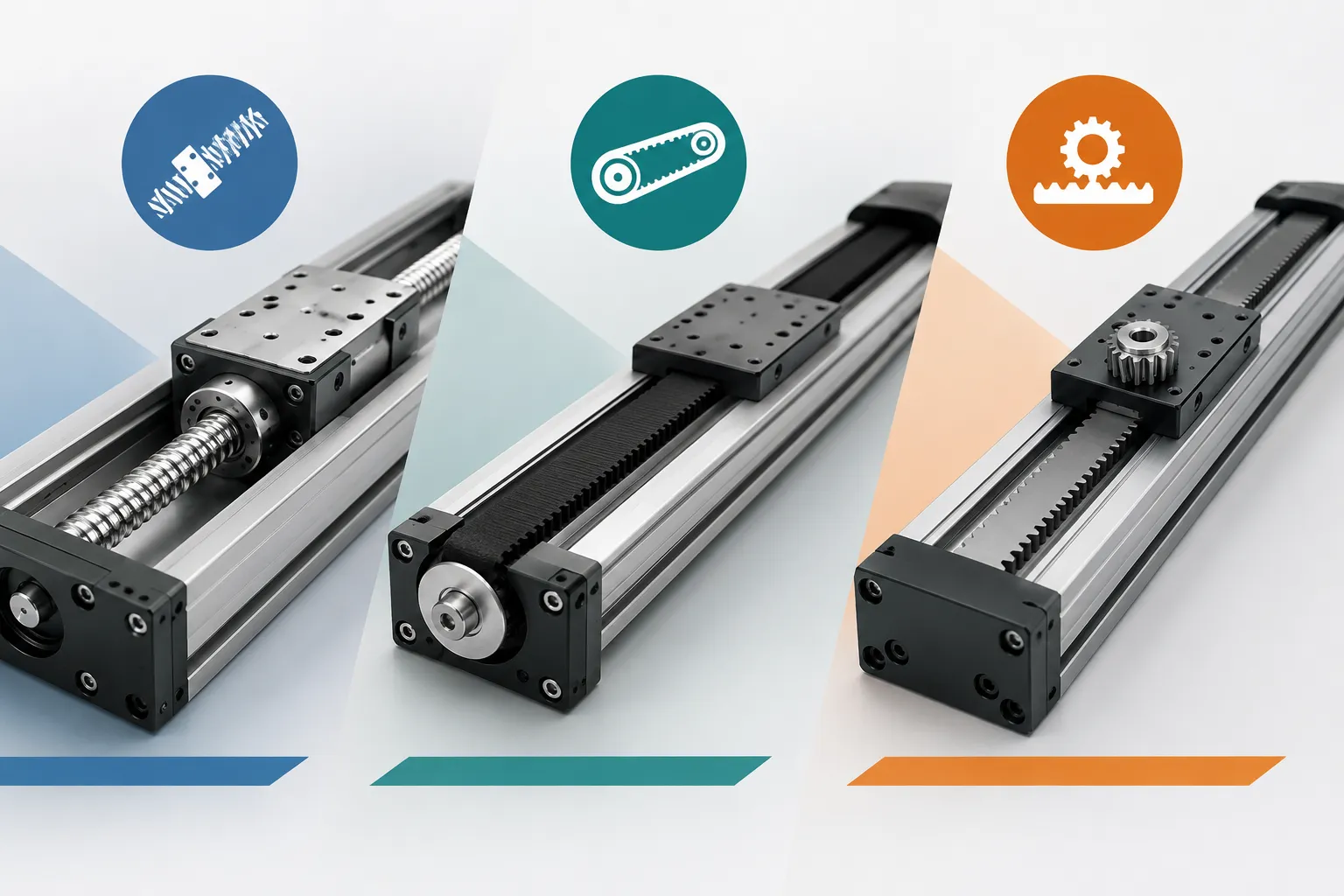
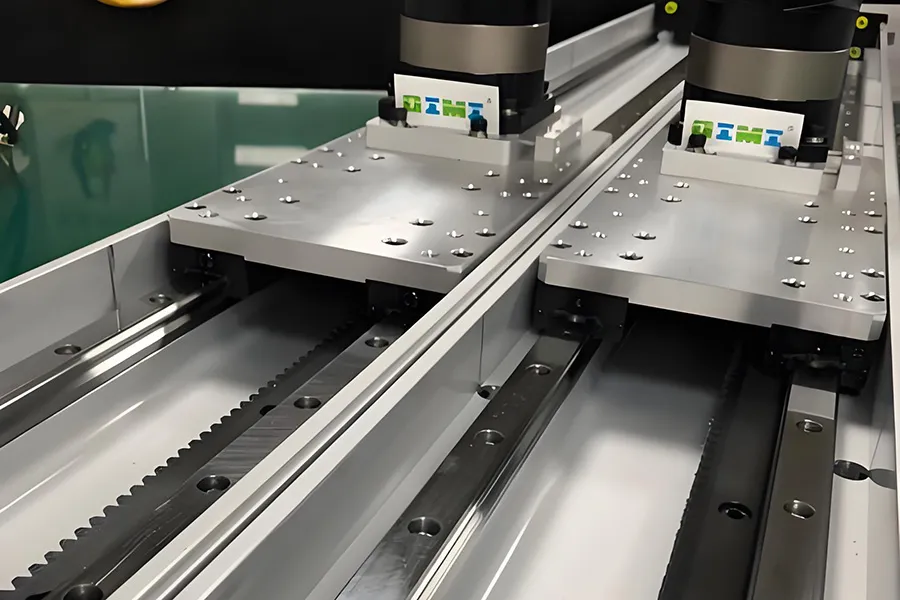
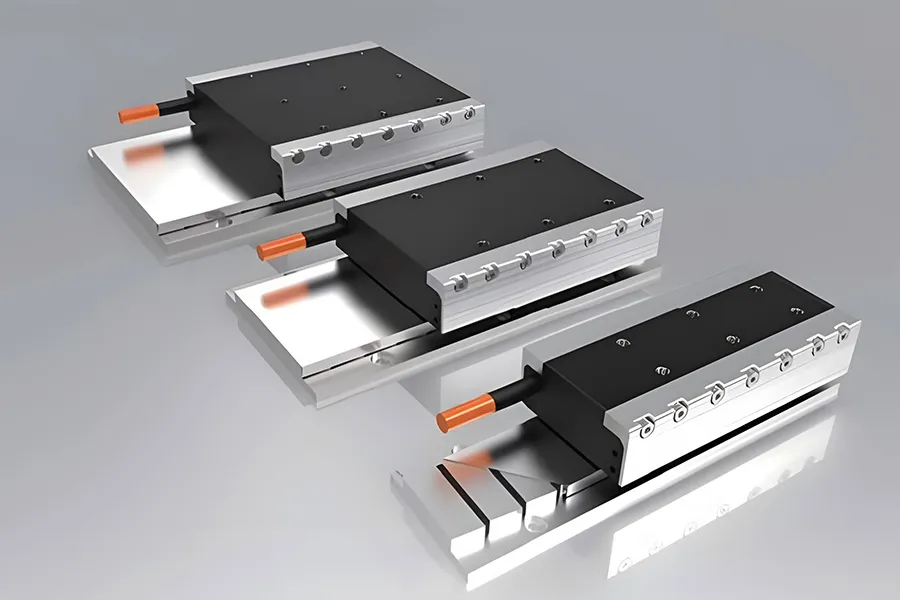
Linear modules, as a high-precision transmission element in automated equipment, play a vital role on assembly lines. Driven by a motor, they achieve high-precision linear motion on a track and can be used in various robotic arms, automatic welding machines, cutting machines, and other automated equipment. Compared to traditional mechanical devices, linear modules offer advantages such as high precision, high speed, and stability, better meeting the high demands of modern industry for efficiency and precision. For example, in electronics manufacturing, linear modules help automated equipment precisely position and move workpieces, making the production process faster and more accurate.
2. Reduced Production Costs
In traditional production lines, factories often require a large number of workers to operate complex machinery and perform repetitive tasks. With the application of automation technology, factories can use automated equipment to replace manual labor in many repetitive and dangerous tasks, effectively reducing labor costs. Although the initial investment in automation equipment is large, over time, the operating costs of the equipment are far lower than labor costs, resulting in a high return on investment.
Linear modules play a key role in this process. Their simple and easy-to-maintain design allows factories to reduce the frequency of equipment maintenance and replacement while ensuring production continuity. This also means that factories can achieve higher output with less resource consumption, thereby increasing profit margins while reducing costs.
3. Improved Product Quality
Automation technology not only improves production efficiency but also significantly enhances product quality. Due to the high stability and repeatability of machinery, the product quality on automated production lines is often more consistent, and the defect rate and error rate are significantly reduced.
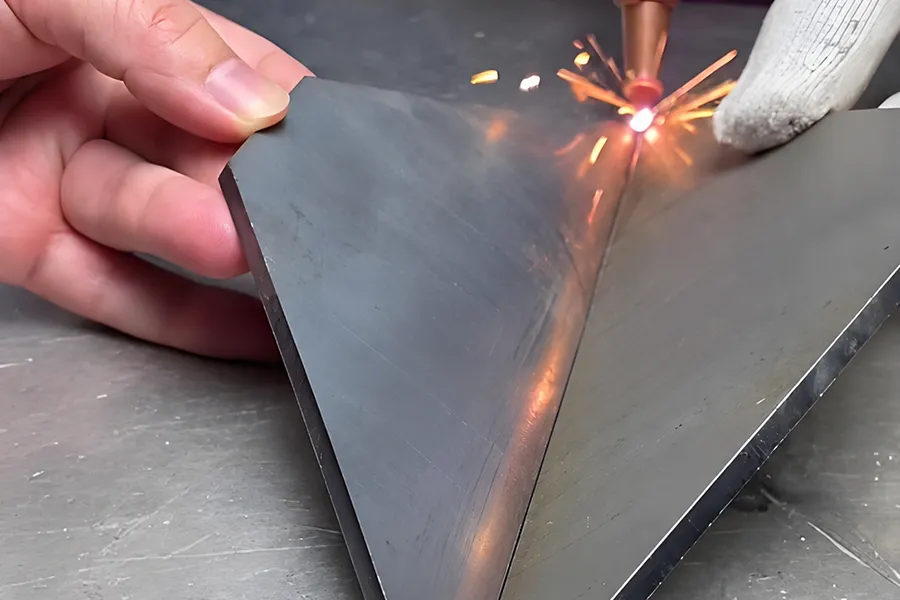
Taking linear modules as an example, in automated assembly and processing, a precise motion control system ensures accurate execution of each step. For instance, in automated welding, linear modules help welding equipment move precisely to the predetermined position, ensuring consistent position and force at each weld point, avoiding the deviation problems common in traditional manual welding. This not only improves product consistency but also significantly reduces human error, enhancing overall product quality.
4. Enhanced Flexibility and Adaptability
A key trend in modern manufacturing is the increasing demand for customization. Consumers are increasingly pursuing personalized products, placing higher demands on factory production lines. Automated systems, through flexible configuration, can quickly adjust to different production needs to adapt to the production of different types of products. Linear modules demonstrate significant advantages in this flexibility requirement.
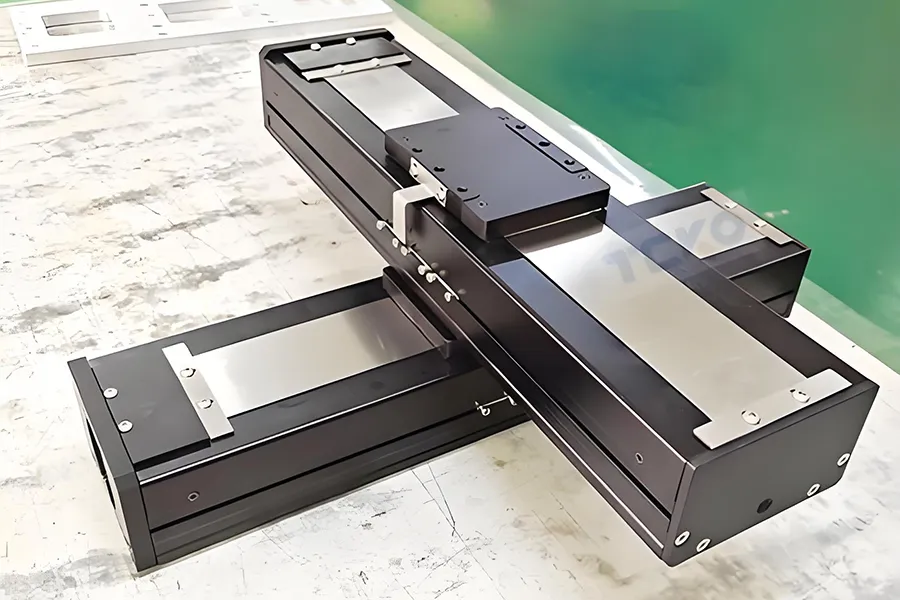
The modular design of linear modules gives them high flexibility in industrial production. Factories can adjust parameters such as the length, speed, and load of linear modules according to the actual needs of the production line, thus adapting to different production tasks. For example, in the production of electronic devices, the production line can be configured with linear modules of different lengths and precision to meet the production needs of products of different sizes, thereby quickly responding to market changes.
5. Enhanced Safety and Working Environment
Automation technology not only improves factory production efficiency but also significantly enhances the working environment and safety of workers. In many hazardous and demanding work environments, automated equipment can replace manual labor, reducing the risk of workers being exposed to dangerous operations. Simultaneously, automated equipment can execute tasks precisely, preventing safety accidents caused by improper human operation.
The application of linear modules also makes a significant contribution to factory safety. They can operate safely under high precision and high load conditions, reducing the intensity and complexity of manual operations. For example, in high-temperature and high-pressure environments, linear modules can help automated equipment complete precise operations, preventing workers from directly contacting hazardous environments and significantly improving factory safety.
6. Fostering Management Transformation
The widespread adoption of automation technology has also driven a transformation in factory management methods. Traditional factory management models are often primarily manpower-based, relying on worker experience and manual operations. With the introduction of automated equipment, factory management is gradually moving towards digitalization and intelligence. Managers can monitor production data in real time through automated systems, optimize production processes, and improve resource utilization.
As a key component of automated equipment, the application of linear modules also provides managers with more data analysis and optimization opportunities. For example, factories can monitor the operating status of linear modules to predict equipment maintenance cycles and avoid production stoppages due to equipment failures. Furthermore, the high-precision control system of linear modules can help factories achieve refined management of the production process, thereby further improving production line efficiency.
Conclusion
The application of automation technology has had a profound impact on factory production efficiency, product quality, cost control, safety, and management methods. As a core component of automation technology, linear modules have played an indispensable role in this transformation. With continuous technological advancements, future automated factories will be more intelligent and efficient, bringing more possibilities for the development of the manufacturing industry.