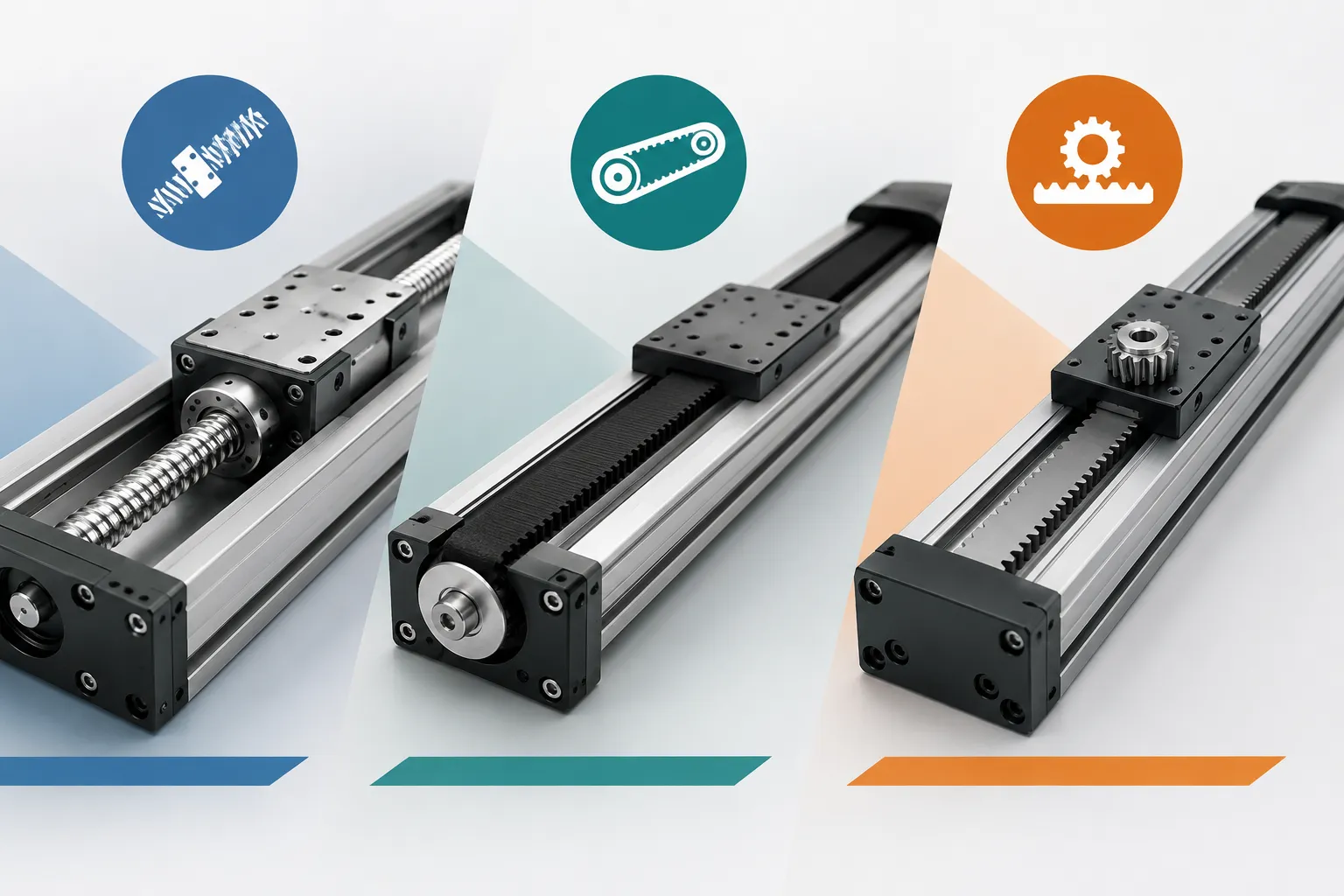
Linear motion is a common mode of motion in modern industrial automation equipment, and commonly used transmission components include ball screws, synchronous belts, and rack and pinion modules. Choosing the right linear module can not only improve equipment performance but also extend its service life and reduce maintenance costs. This article will detail the characteristics of ball screws, synchronous belts, and rack and pinion modules and provide a selection guide to help you make the best choice for different application scenarios.
1. Ball Screw Modules
Ball screw modules achieve high-precision linear motion through the cooperation of ball screws and nuts. They are widely used in applications requiring high precision, high rigidity, and high repeatability, such as CNC machine tools and precision measuring instruments.
1.1 Advantages
- High Precision: Ball screw transmission accuracy is high, typically reaching the micron level, making it suitable for applications requiring precise positioning.
- High Rigidity and High Load Capacity: Ball screws are made of high-hardness steel, possessing high rigidity and load capacity, making them suitable for heavy-duty and high-rigidity applications.
- Low Friction and High Efficiency: Ball screw drives utilize rolling friction, resulting in a low coefficient of friction and high mechanical efficiency, typically exceeding 90%.
- Long Lifespan and Reliability: With proper lubrication and maintenance, ball screw modules can maintain high performance and reliability over extended periods.
1.2 Disadvantages
- Higher Cost: Complex manufacturing processes and high material costs lead to a higher price for ball screw modules.
- Speed Limitations: Ball screws are suitable for low- to medium-speed applications; speed is limited by the pitch and the performance of the drive unit.
- High Maintenance Requirements: Regular lubrication and cleaning are required to ensure long-term efficient operation.
1.3 Applicable Scenarios
Ball screw modules are suitable for applications requiring high precision, high rigidity, and high repeatability, such as: CNC machine tools, precision measuring instruments, and high-precision automated equipment.
2. Synchronous Belt Modules
Synchronous belt modules achieve linear motion through the cooperation of synchronous belts and pulleys. Synchronous belts are typically made of rubber or polyurethane materials with embedded steel wire or fiber reinforcement.
2.1 Advantages
- Lower Cost: Low manufacturing cost, suitable for applications with limited budgets.
- High-Speed Transmission: Synchronous belts offer high transmission speeds, suitable for high-speed motion applications.
- Low Noise and Low Vibration: Flexible synchronous belt drives have lower noise and vibration, suitable for environments with strict noise and vibration requirements.
- Simple Maintenance: Relatively simple maintenance; only periodic checks of the synchronous belt’s wear and timely replacement are needed.
2.2 Disadvantages
- Lower Precision and Rigidity: Synchronous belt drives have lower precision and rigidity than ball screw drives, suitable for applications with lower requirements for positioning accuracy and rigidity.
- Shorter Lifespan: Synchronous belt materials have lower wear resistance and durability than ball screws, requiring periodic replacement.
- Limited Load Capacity: Lower load capacity, suitable for applications with small to medium loads.
2.3 Applicable Scenarios
Synchronous belt modules are suitable for applications with high requirements for cost, speed, and ease of maintenance, such as: small to medium-sized automated equipment packaging machinery, and light-load transportation systems.
3. Gear and Rack Modules
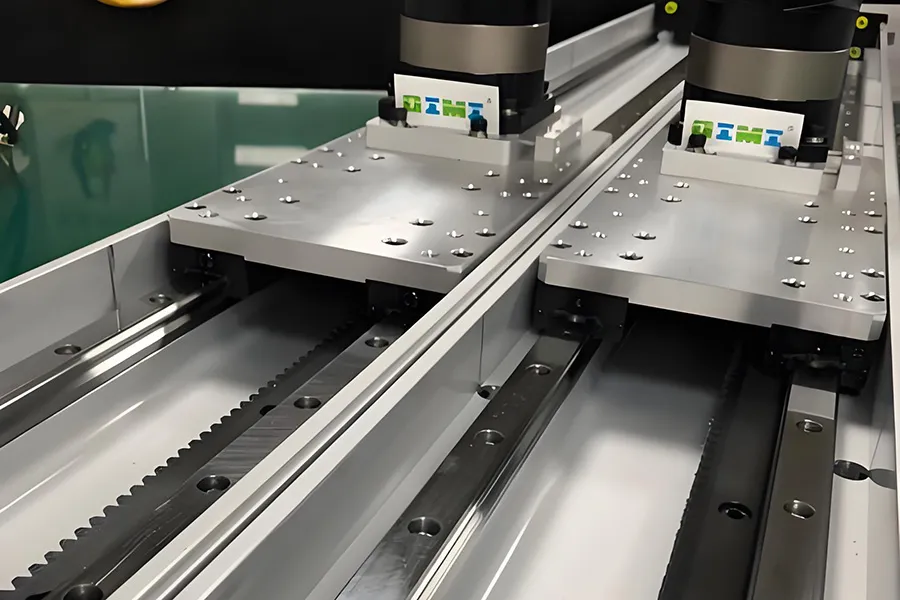
Gear and rack modules achieve linear motion through the meshing of gears and racks. Rack and pinion drives are simple and reliable, widely used in applications requiring long strokes, high load capacity, and high rigidity.
3.1 Advantages
- Long stroke transmission: Rack and pinion drives are not limited by length and are suitable for long-stroke motions.
- High rigidity and high load capacity: Rack and pinion drives are made of high-strength materials, possessing high rigidity and high load capacity, suitable for heavy-load and high-rigidity applications.
- High transmission efficiency: Rack and pinion drives have high efficiency, typically exceeding 90%.
- Simple structure and easy maintenance: Rack and pinion drives have a simple structure, making them easy to maintain and replace.
3.2 Disadvantages
- Lower precision: Rack and pinion drives have lower precision, suitable for applications where positioning accuracy is not critical.
- Higher noise: Gear meshing transmissions generate more noise, making them unsuitable for environments with strict noise requirements.
- Higher cost: Complex manufacturing processes and high material costs result in higher prices for rack and pinion modules.
3.3 Applicable Scenarios
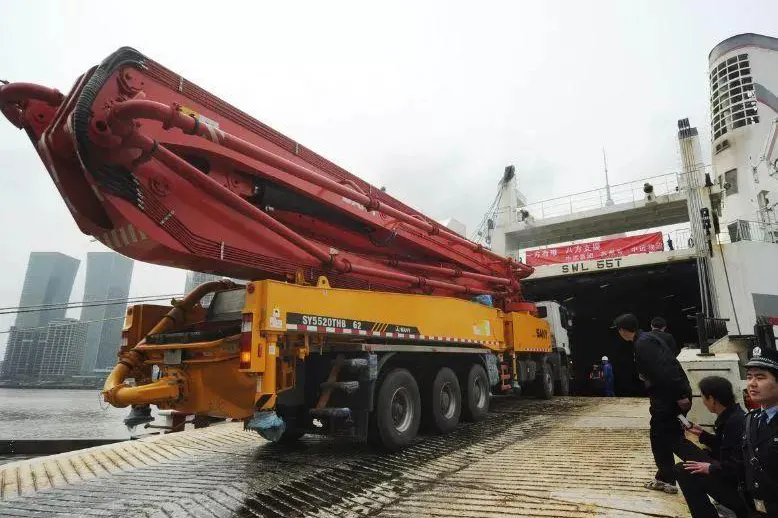
Gear and rack modules are suitable for applications requiring long stroke, high load capacity, and high rigidity, such as large automated equipment, heavy-duty handling systems, and industrial robots.
4. Selection Guide
Key Considerations: In practical applications, selecting a suitable linear module requires comprehensive consideration of multiple factors, including accuracy requirements, speed requirements, stroke length, load capacity, cost budget, and ease of maintenance. The following are key considerations for selection:
4.1 Accuracy Requirements
- High Accuracy: For applications requiring high-precision positioning, such as CNC machine tools and precision measuring instruments, ball screw modules should be selected.
- Medium-Low Accuracy: For applications with lower accuracy requirements, such as packaging machinery and light-duty transportation systems, synchronous belt modules or gear and rack modules can be selected.
4.2 Speed Requirements
- High-Speed Transmission: For applications requiring high-speed motion, such as packaging machinery and light-duty transportation systems, synchronous belt modules are a better choice.
- Medium-Low Speed Transmission: For applications with lower speed requirements, such as CNC machine tools and precision measuring instruments, ball screw modules can be selected.
4.3 Stroke Length
- Long Stroke: For applications requiring long strokes, such as large automated equipment and heavy-duty handling systems, rack and pinion modules are a better choice.
- Short Stroke: For applications with lower stroke requirements, such as small to medium-sized automated equipment, ball screw modules or synchronous belt modules can be selected.
4.4 Load Capacity
- High Load Capacity: For applications requiring high load capacity, such as large automated equipment and heavy-duty handling systems, ball screw modules or rack and pinion modules should be selected.
- Small to Medium Load: For applications with lower load capacity requirements, such as light-duty transport systems and packaging machinery, synchronous belt modules can be selected.
4.5 Cost Budget
- Limited Budget: If the project budget is limited, such as for small to medium-sized automated equipment and packaging machinery, synchronous belt modules are a more economical choice.
- High Budget: If the project budget is sufficient, ball screw modules or rack and pinion modules can be selected to meet higher performance requirements.
4.6 Ease of Maintenance
- Low Maintenance Requirements: If you want to reduce maintenance workload, such as for light-duty transport systems and packaging machinery, synchronous belt modules can be selected.
- High maintenance requirements: For applications where higher performance is acceptable due to higher maintenance workload, such as CNC machine tools and precision measuring instruments, ball screw modules are a viable option.
Conclusion
Selecting a suitable linear module requires comprehensive consideration of multiple factors, including accuracy requirements, speed requirements, stroke length, load capacity, cost budget, and ease of maintenance. Ball screw modules are suitable for applications requiring high precision, high rigidity, and high repeatability; synchronous belt modules are suitable for applications with high requirements for cost, speed, and ease of maintenance; and rack and pinion modules are suitable for applications requiring long stroke, high load capacity, and high rigidity. In practical applications, combining specific working conditions and needs, weighing the pros and cons, and selecting the most suitable transmission method can significantly improve equipment performance and reliability.