The noise generated during the operation of linear motion module equipment can harm the physical and mental health of workers. Ideally, noise levels should be kept below 70 decibels. By implementing the following seven optimization methods, noise can be significantly reduced:
1. Select high-quality components
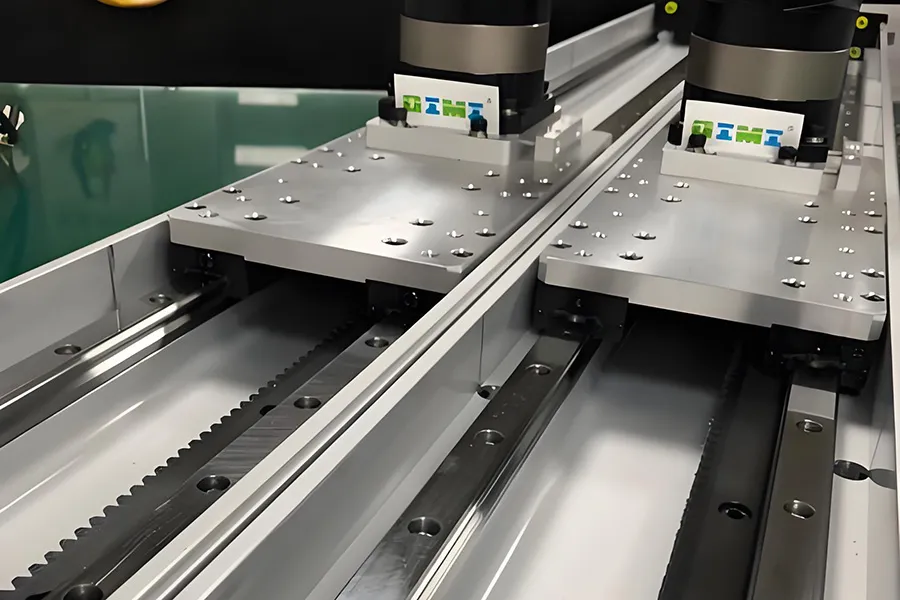
Using high-precision components—such as ball screws and linear guides—helps minimize friction and vibration, thereby lowering noise levels. High-quality components typically offer superior machining precision and surface finish, ensuring smoother motion.
2. Ensure proper lubrication
Adequately lubricating the moving parts of the linear motion module significantly reduces noise. Selecting the appropriate lubricant and performing regular checks and re-lubrication effectively maintains optimal lubrication conditions.
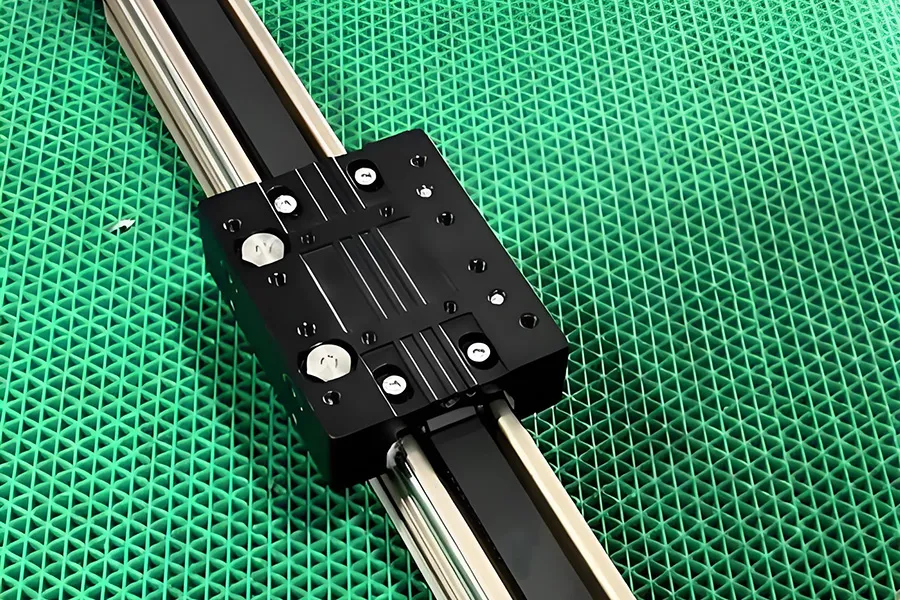
3. Adjust slider preload
Applying the correct preload reduces clearance between moving parts, which lowers noise. However, excessive preload increases friction and wear; therefore, adjustments should be made based on the specific application and manufacturer recommendations.
4. Minimize vibration
Vibration—and consequently noise—can be effectively reduced through measures such as installing shock absorbers, enhancing structural rigidity, and optimizing the design. Ensure the linear module is mounted on a stable base to prevent resonance.
5. Inspect and tighten all connections
Ensure all connecting elements (such as screws and clamps) are securely fastened to prevent noise and vibration issues caused by looseness.
6. Perform regular maintenance
Conduct routine inspections and maintenance—including cleaning, lubrication, checking for component wear, and verifying fastener tightness—to prevent potential noise sources and ensure optimal operating performance.
7. Optimize design
During the design phase, tools such as Finite Element Analysis (FEA) can be used to predict and optimize the dynamic characteristics of the linear module, thereby minimizing potential sources of noise.