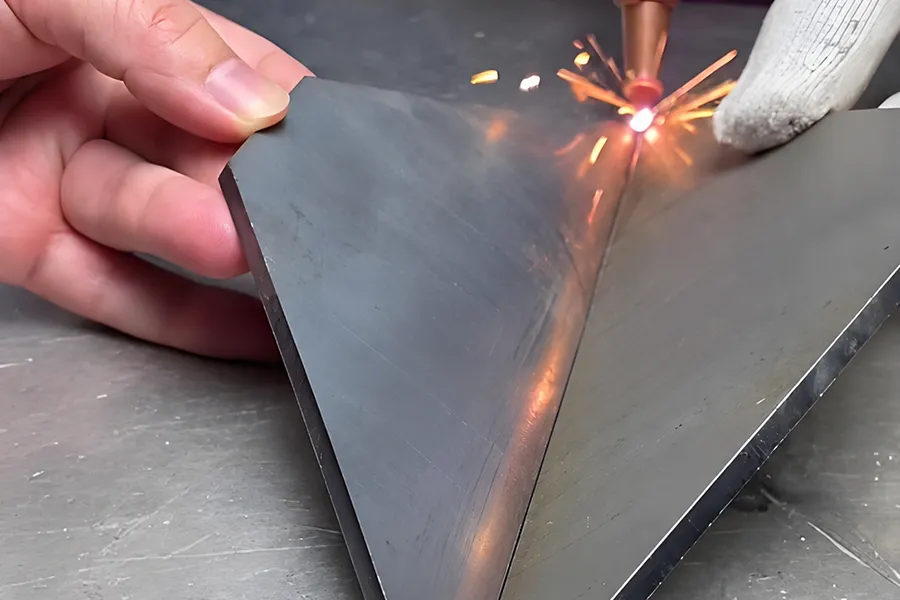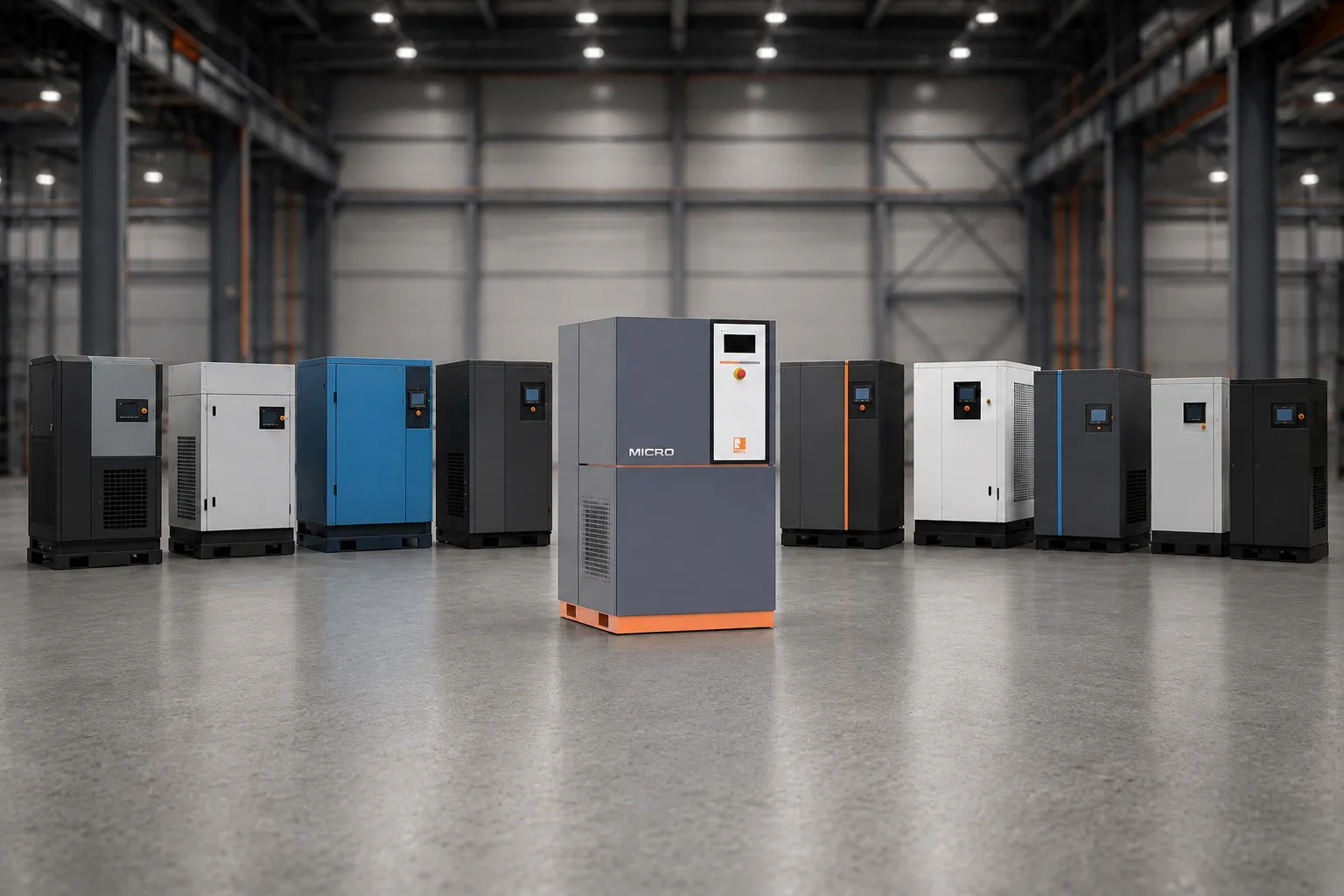
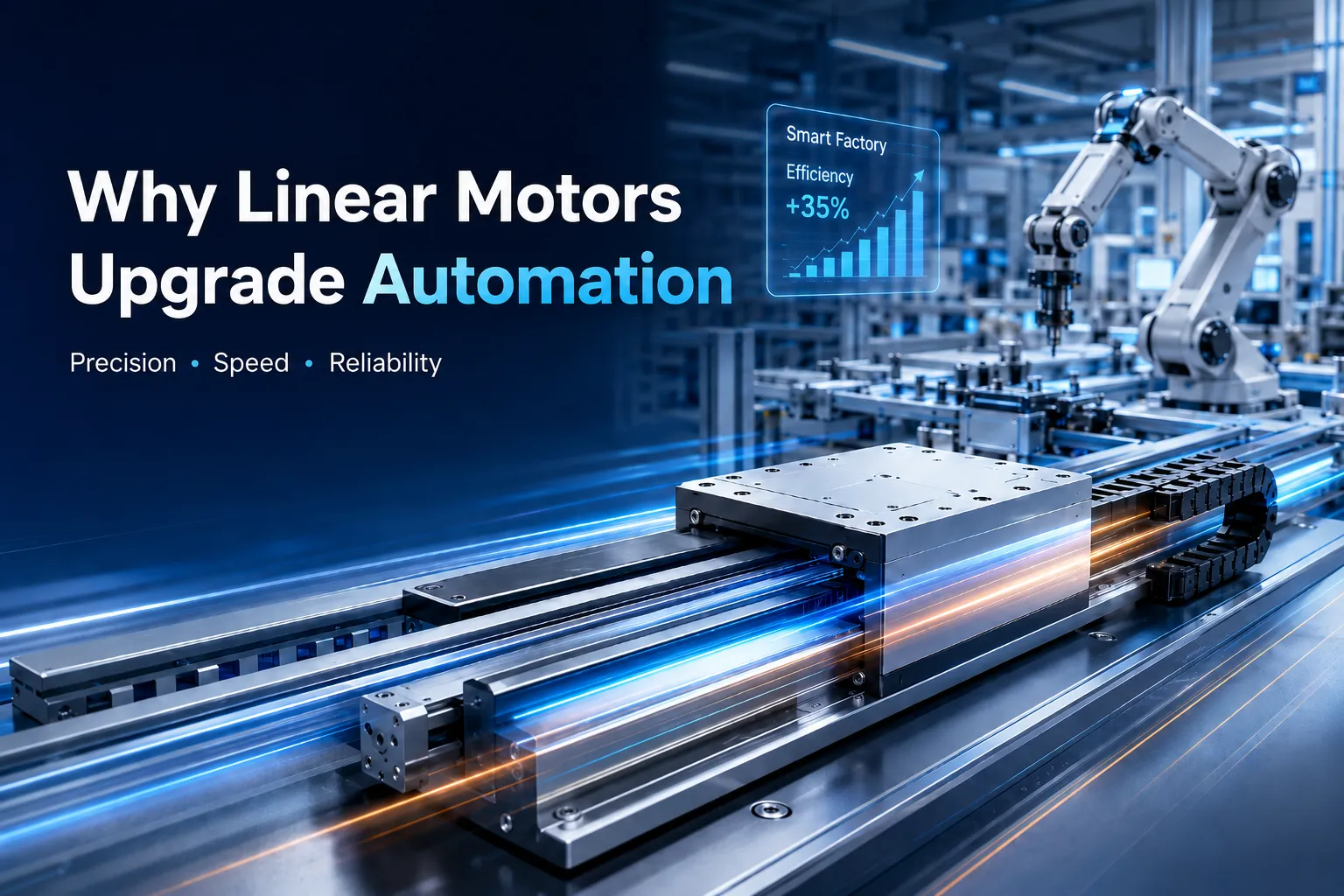
When discussing the industrial revolution, we often focus on disruptive technologies. Yet, the true drivers of industry transformation are not always the overnight sensations or “flashy” high-tech novelties; often, it is the “hard power” of grounded, incremental innovation that pushes efficiency to its absolute limits.
Take the linear motor, for example.
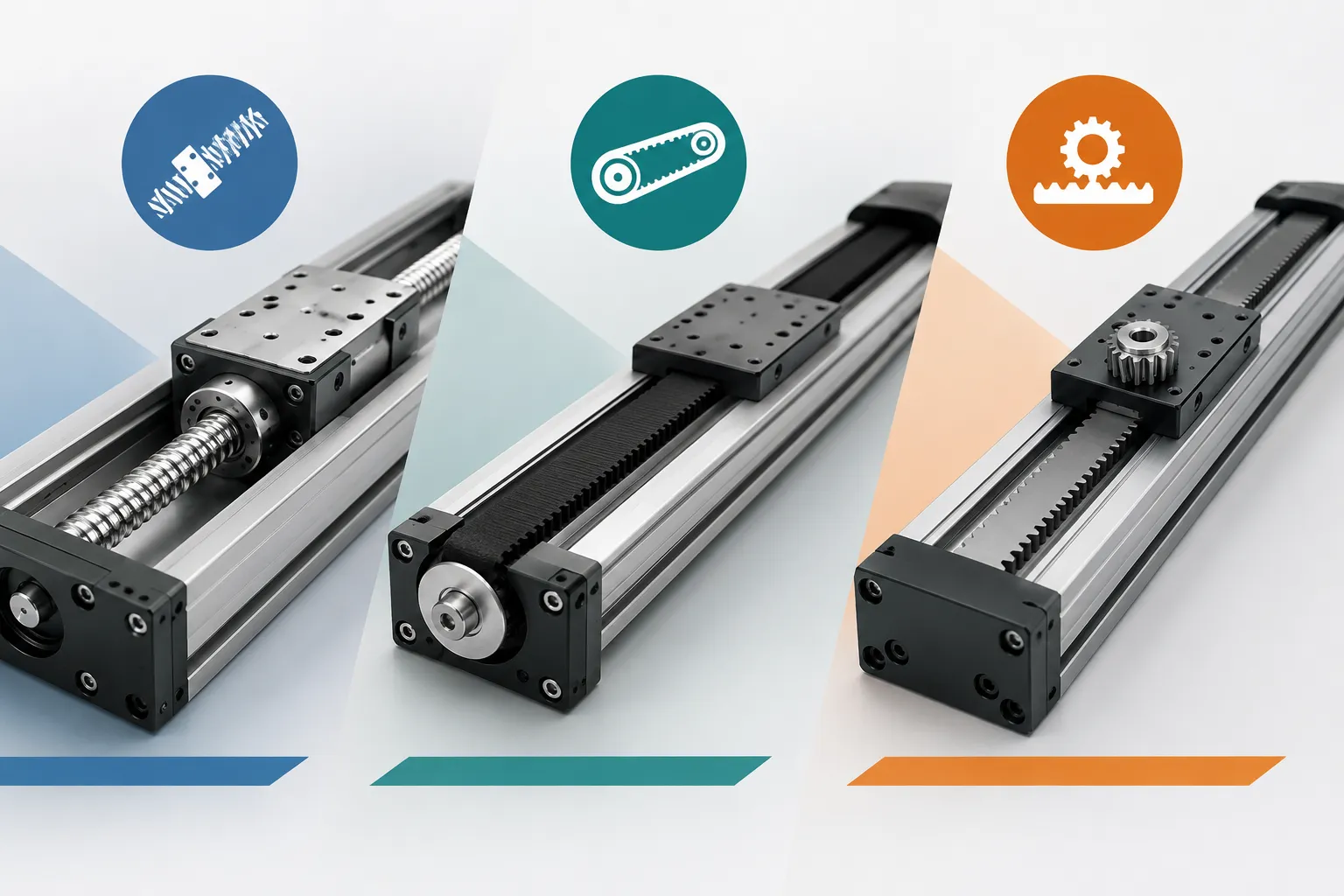
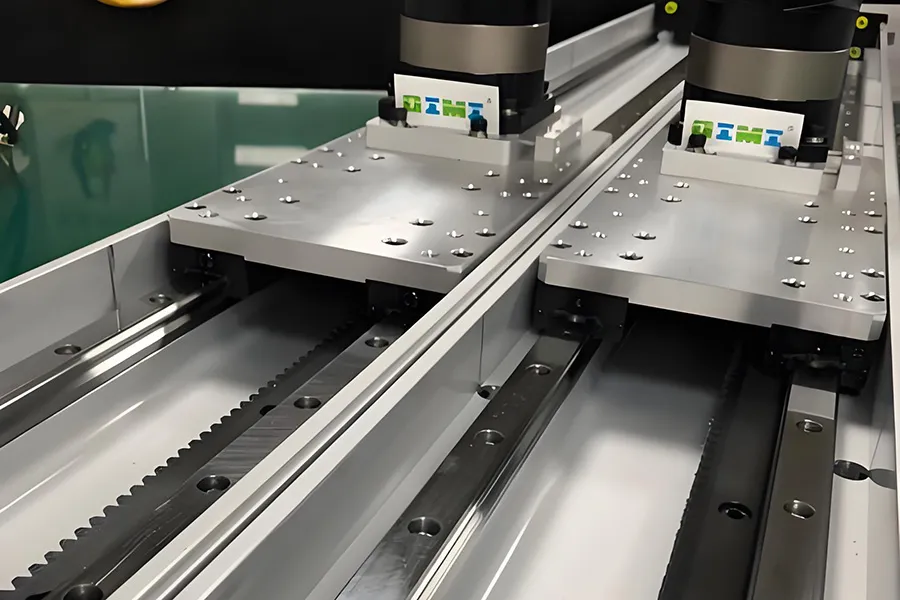
It dispenses with traditional transmission components—relying on neither gears, belts, nor lead screws—to generate linear motion directly via electromagnetic fields. The result is a system that is simple, direct, and precise.
What does this mean in practice?
- Faster response times (startup within milliseconds);
- Superior positioning accuracy (down to the micron level);
- Reduced wear, minimal maintenance, and extended service life.
From 3C electronics, laser processing, and automated assembly to semiconductors, medical equipment, and precision inspection, linear motors are quietly boosting efficiency, minimizing errors, and increasing production capacity.
While traditional lead-screw and servo-driven systems are mature technologies, they increasingly struggle to meet the demands of high-frequency, high-speed, and high-precision operations. Linear motors effectively bridge these performance gaps.
They are particularly well-suited—almost tailor-made—for applications involving multi-axis coordinated motion, complex trajectory tracking, high-speed scanning, and precise point-to-point movement.
Think of it this way:
If traditional mechanical systems are about “running steadily,” linear motors are about “flying with precision.”
Summary
Linear motors are steadily and reliably transforming efficiency across the entire automation industry.
We have seen countless customers achieve significant gains in production capacity after adopting linear motor technology.
Now, it could be the key to upgrading your own equipment.