Wooden pallet production is a highly competitive industry where speed, consistency, labor cost, and product quality directly affect profitability. Many factories start with manual or semi-automatic pallet assembly, but as order volume increases, manual nailing often becomes a bottleneck. Slow production speed, inconsistent nail placement, high labor intensity, and quality variation can all limit business growth.
Automation is becoming more important in pallet manufacturing because modern systems can combine CNC control, robotic handling, programmable nail patterns, vision inspection, and smart maintenance features. For readers who want to understand where the industry is heading, this overview of automation trends in pallet nailing machines explains how robotics and CNC integration are changing pallet assembly.
1. Your Manual Nailing Process Cannot Keep Up With Orders
One of the clearest signs that a factory should upgrade is when manual labor can no longer meet production demand. If workers need overtime to complete regular orders, or if delivery schedules are often delayed because of slow assembly, automation may be worth considering.
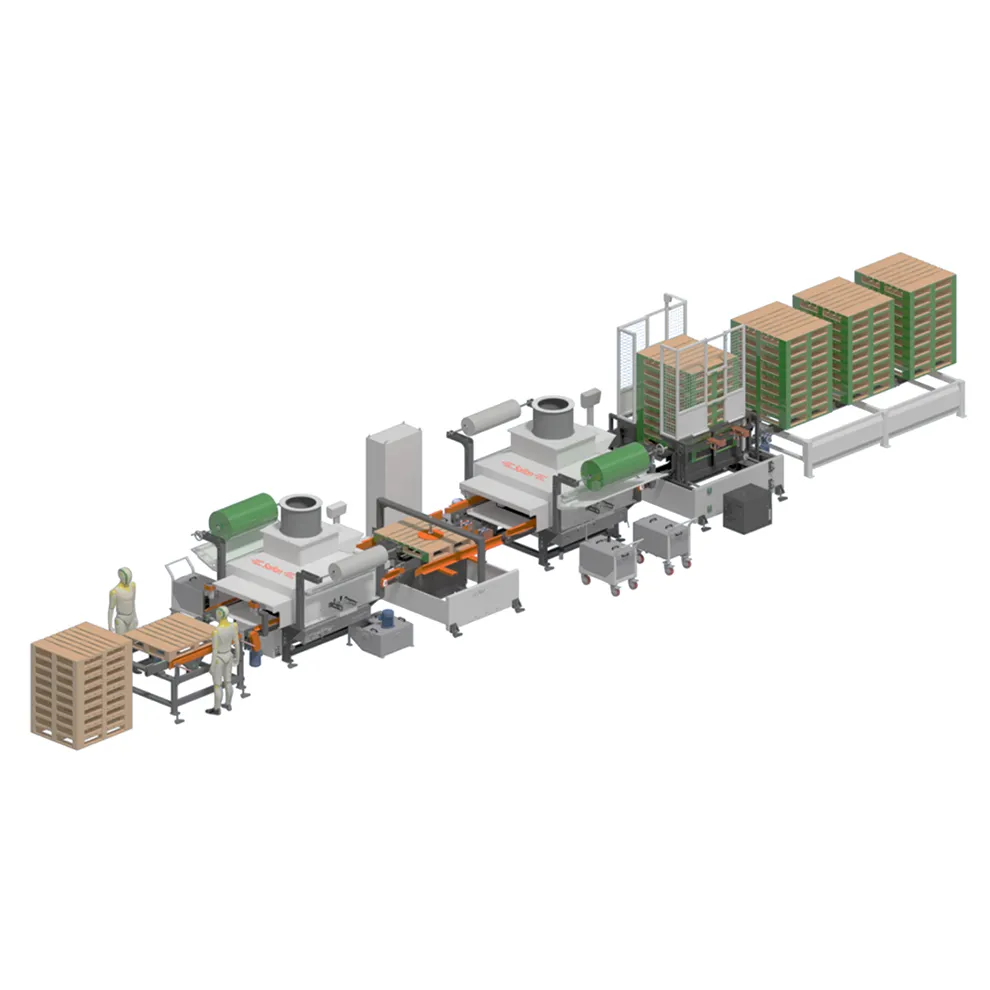
An automated pallet nailing line can improve production rhythm by reducing dependence on manual hammering or hand-held nail guns. With a more stable process, factories can plan output more accurately and handle larger order volumes with fewer interruptions.
2. Nail Placement Quality Is Not Consistent
Pallet strength depends heavily on correct nail placement, proper penetration depth, and repeatable assembly accuracy. In manual production, different workers may place nails at slightly different positions or angles. Over time, this can create quality variation between batches.
Automated nailing equipment can help standardize nail patterns and reduce human error. CNC control allows factories to set repeatable nailing positions for different pallet types, while more advanced systems may support programmable patterns for customized pallet designs.
3. Labor Costs Are Increasing
In many factories, labor cost is one of the biggest reasons for upgrading. Manual pallet assembly requires repeated lifting, positioning, nailing, and inspection. This work is physically demanding and may become harder to manage as wages rise or skilled workers become less available.
Automation does not remove the need for operators, but it can reduce repetitive manual work and allow workers to focus on feeding materials, monitoring production, quality checking, and maintenance. This can make the production process more efficient and easier to manage.
4. You Produce Multiple Pallet Types
Factories that only produce one standard pallet size may not feel the need for flexible automation at first. However, many pallet manufacturers now receive orders for different pallet dimensions, block positions, deck board layouts, and customer-specific designs.
If your factory often switches between pallet types, CNC and programmable systems can reduce setup time. Instead of relying on manual measurement and adjustment, operators can store or select production parameters for different pallet designs. This helps improve flexibility while keeping production quality stable.
5. Rework and Scrap Rates Are Too High
Rework can quietly reduce profit. Incorrect nail positions, uneven board alignment, split wood, weak joints, and inconsistent assembly may require repair or cause product rejection. These problems are more common when production relies heavily on manual judgment.
Automated nailing lines can help reduce defects by improving positioning accuracy and process control. In advanced systems, sensors or vision inspection may also help detect problems earlier, before defective pallets continue down the line.
6. You Want Better Data for Production Management
Modern pallet factories increasingly need data to manage production. Basic manual lines may not provide enough information about output, downtime, nail consumption, machine performance, or maintenance needs.
Automated systems with digital controls can make production easier to track. Factory managers can review output, identify bottlenecks, plan maintenance, and estimate material usage more accurately. This is especially useful for factories running multiple shifts or serving large industrial customers.
7. Equipment Selection Should Match Your Real Production Needs
Before upgrading, factories should evaluate pallet size range, production capacity, wood material condition, nail specifications, workshop layout, labor availability, and budget. A small factory may only need a semi-automatic machine, while a high-volume manufacturer may benefit from a more complete automated production line.
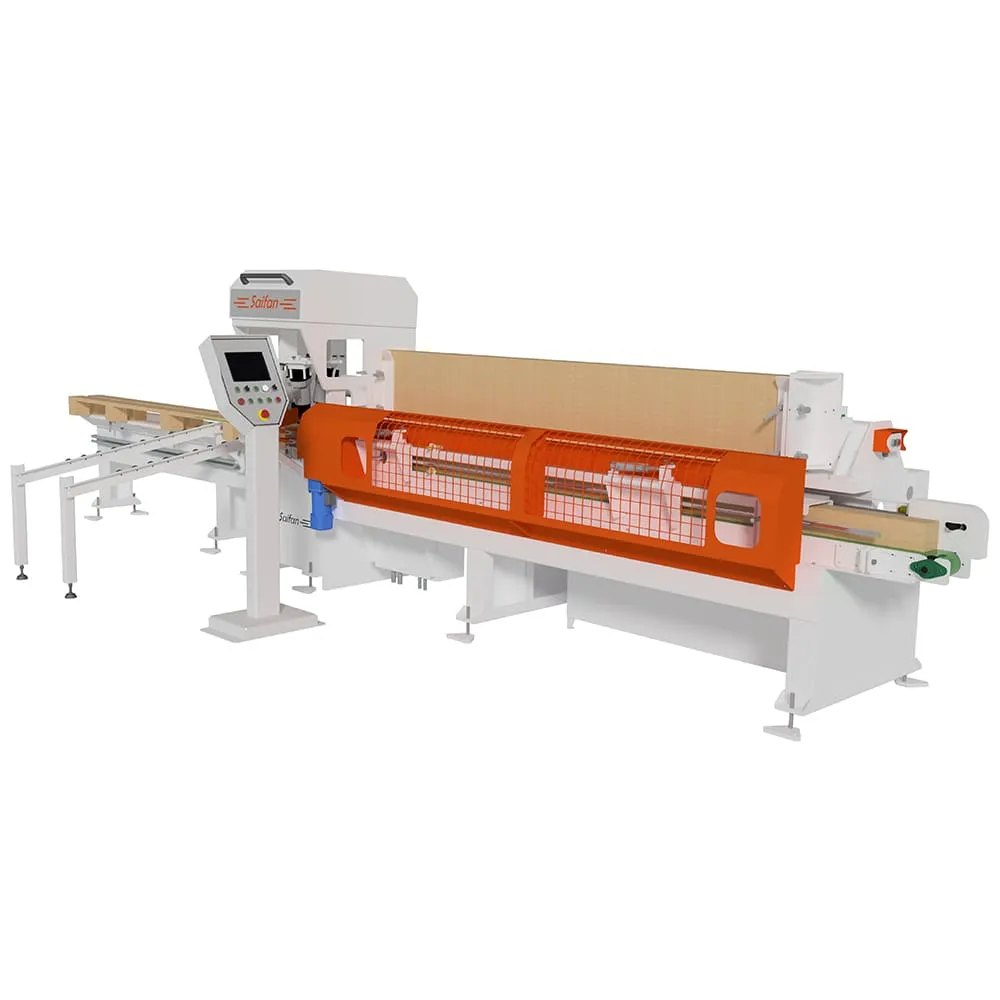
If you are comparing equipment for pallet manufacturing, HICAS provides pallet nailing machine solutions that can be used as a reference for industrial pallet production. Their product page shows a wooden pallet nailing machine category and an SF9020 pallet block leg nailing machine used for solid block European wood pallets.
Conclusion
A pallet factory should consider upgrading to an automated nailing line when manual production limits output, quality consistency, labor efficiency, or flexibility. Automation can help standardize nail placement, reduce repetitive work, support multiple pallet designs, and improve production management. The best solution is not always the most complex machine, but the one that matches the factory’s pallet types, production volume, labor situation, and long-term growth plan.