How Well Do You Really Know Pump Trucks?
If you’ve worked as a pump operator for years, how well do you actually know pump trucks? For many in the field, this piece of equipment is just part of the daily grind—but its role and details run deeper than you might think.
Previously, an article explored why most pump operators stay in the job even as salaries shrink. For many, it’s simple: to support their families. Compared to drivers of muck or mixer trucks, pump operators earn a slightly higher wage—so the role’s relative pay is often what draws people in initially.
But when it comes to concrete boom pump trucks (commonly called pump trucks), most operators only see them as tools for pouring concrete. After years on the job, though, just how much do you truly understand about these machines?
What Exactly Are Pump Trucks?
At first glance, pump trucks exist to move concrete. But they’re far more than basic tools—they’re core members of any modern construction team.
Without this equipment, construction sites would see their concrete pouring speed drop by at least 70%. That makes them quiet workhorses, playing a key role in building the cities we live in.
Basic Structure of Pump Trucks
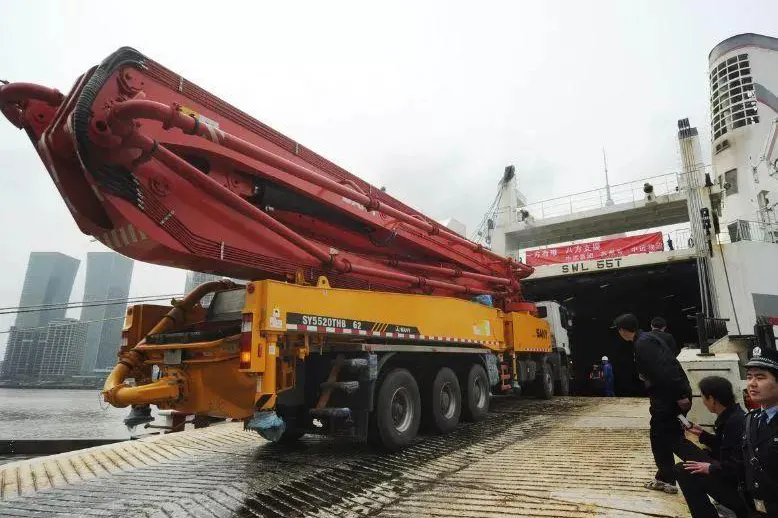
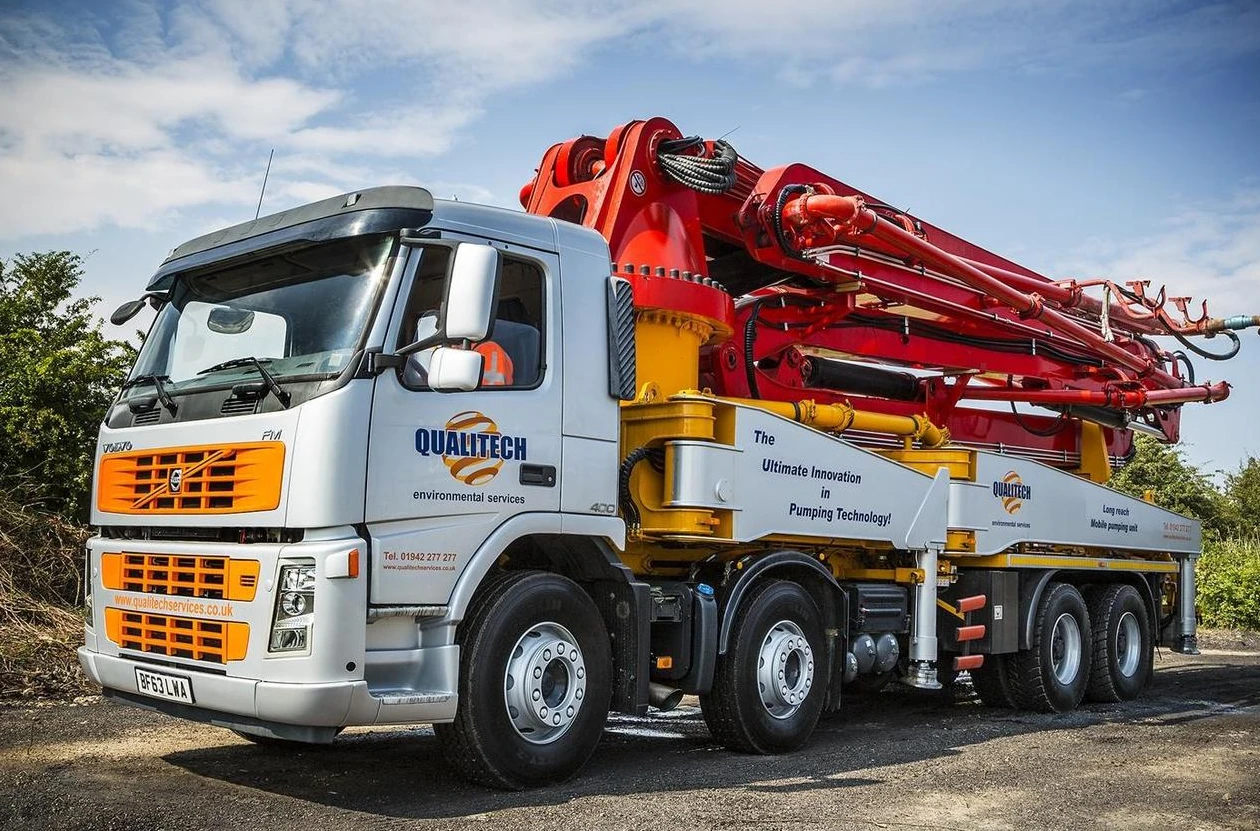
Every pump truck has two main parts: the upper assembly (which includes the boom and pumping system) and the chassis. These two components work together to power and guide the concrete-pouring process.
Boom length has changed a lot over the years. A decade ago, most models had booms 40 meters or shorter. Today, longer options—50, 60, even 80 meters—are common on large construction projects.
Key Features That Shape Performance
Boom Length: Trade-Offs Between Efficiency and Skill
Longer booms let the equipment reach farther, higher areas. This cuts down on the time operators spend repositioning, which boosts overall job efficiency.
But longer booms come with catches. They push up the machine’s cost, and they demand more advanced skills from operators. In fact, it’s not just you choosing the equipment— the equipment is also selecting you: your ability to handle longer booms directly ties to your earning potential.
Chassis Performance: The Backbone of Reliability
While all these machines follow the same basic working principle, their reliability varies. The chassis’s engine is especially critical: it powers the hydraulic system that keeps the equipment running, so a strong engine is key for non-stop work on busy sites.
Different chassis designs prioritize different things. Some focus on power (great for navigating tough, muddy terrain), while others lean into fuel efficiency—though these may lack the torque or ground clearance for challenging environments.
Safety & Best Practices for Operation
Safety records for pump operators vary widely. Some work 10+ years without incidents, while others face costly accidents (like getting stuck or tipping over) early on—repairs for these issues can cost tens of thousands of dollars.
Most accidents stem from two issues: carelessness, or poor knowledge of the specific equipment. For long-boom models, for example, outriggers must be fully extended to their maximum position during setup. Never rely on guesswork; every machine has unique rules to follow.
Experienced operators know small details matter too. Different boom folding methods, for instance, affect how quickly the equipment sets up and how far it can place concrete. Before using a new machine, they mentally walk through every step: checking the upper assembly, reviewing chassis specs, and mapping boom deployment.
Conclusion
Pump trucks are more than just tools—they’re indispensable to modern construction. They keep projects on track and help build the spaces we live and work in.
For pump operators, understanding these machines deeply isn’t just about doing a better job. It boosts your efficiency, keeps you safe, and even raises your value (and salary) on the job.