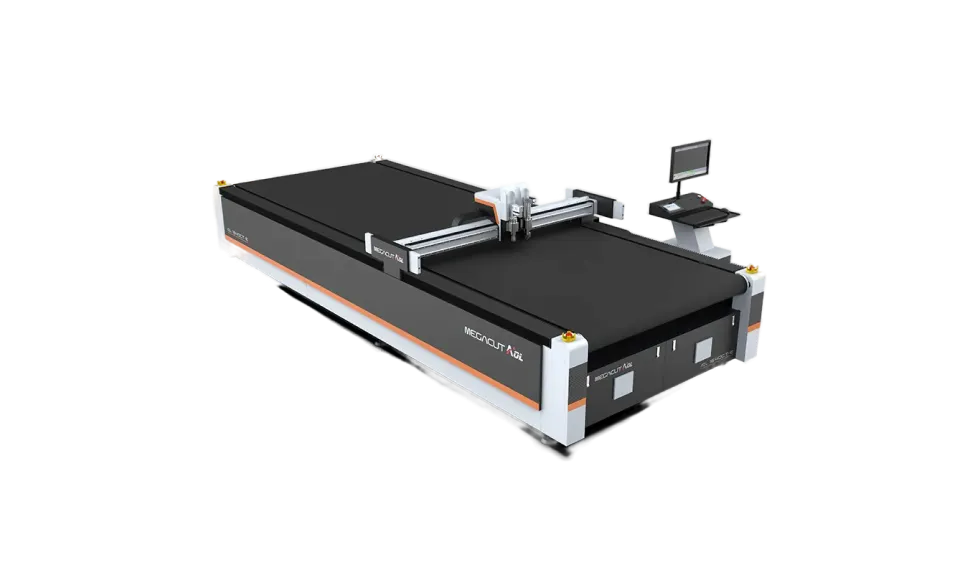
Composite materials have transformed industries such as aerospace, automotive, marine, wind energy, and sports equipment manufacturing. Materials like carbon fiber, fiberglass, aramid, and hybrid composites offer superior strength-to-weight ratios. However, they also present significant cutting challenges. This is where choosing the right oscillating cutting machine becomes critical.
For composite factories, investing in the correct composite cutting machine is not just about speed — it directly impacts precision, material utilization, product quality, and long-term operational efficiency.
This guide explains how to evaluate and select the most suitable oscillating cutting machine for composite production environments.
Why Composite Cutting Requires Specialized Equipment
Composite materials behave differently from traditional metals or plastics. During composite material processing, common issues include:
-
Fiber fraying
-
Delamination
-
Edge chipping
-
Dust generation
-
Tool wear
A standard blade or mechanical cutter often fails to deliver clean edges. A high-quality oscillating cutting machine uses rapid blade vibration to minimize resistance and reduce fiber damage.
Unlike traditional mechanical cutting systems, a cnc digital cutting machine equipped with oscillating tools provides better control and consistent results.
Understanding Oscillating Cutting Technology
An oscillating cutting machine uses a blade that vibrates at high frequency while moving along a programmed path. This vibration allows the blade to cut composite materials smoothly with less pressure.
Key benefits include:
-
Clean edge finishing
-
Reduced material stress
-
Lower tool wear
-
Precise contour cutting
-
Minimal delamination
In composite factories, this technology significantly improves carbon fiber cutting and fiberglass cutting performance.
Key Factors to Consider When Selecting an Oscillating Cutting Machine
1. Material Compatibility
Not all machines are equally suited for different composites. When selecting an oscillating cutting machine, consider:
-
Carbon fiber thickness
-
Fiberglass density
-
Prepreg materials
-
Honeycomb cores
-
Multi-layer laminates
A flexible composite cutting machine should support various blade types and adjustable oscillation frequencies.
2. Cutting Precision and Stability
Precision is essential in aerospace and automotive applications. Even slight deviations can compromise product integrity.
A high-quality cnc digital cutting machine should provide:
-
Servo-driven motion control
-
Stable gantry structure
-
High-resolution positioning
-
Repeatable accuracy
Precision ensures better fit during assembly and reduces material waste.
3. Automation and Workflow Integration
Modern composite factories rely on automation. An advanced oscillating cutting machine should integrate seamlessly into existing production lines.
Look for:
-
Automatic material feeding
-
Nesting software
-
Barcode tracking
-
Data monitoring systems
An automated cutting system improves efficiency and reduces labor costs.
4. Dust Control and Safety
Composite materials generate fine dust during cutting, especially during carbon fiber cutting and fiberglass cutting.
Choose a machine with:
-
Integrated vacuum systems
-
Dust extraction compatibility
-
Enclosed cutting zones
-
Operator safety features
Proper dust management protects both workers and equipment.
5. Software Capabilities
The performance of a cnc digital cutting machine heavily depends on its software.
Advanced software provides:
-
Intelligent nesting
-
Tool path optimization
-
Cutting simulation
-
Error detection
Smart software reduces material waste and improves workflow accuracy.
Benefits for Composite Factories
Selecting the right oscillating cutting machine delivers measurable advantages:
-
Higher cutting accuracy
-
Faster production cycles
-
Reduced scrap rates
-
Lower maintenance cost
-
Improved product quality
For factories handling complex composite parts, the right industrial cutting equipment becomes a competitive advantage.
Long-Term Investment Considerations
When evaluating options, consider not only price but also:
-
Machine durability
-
Technical support
-
Upgrade capability
-
Energy efficiency
-
Scalability
A well-chosen composite cutting machine supports business growth for years.
Conclusion
Selecting the right oscillating cutting machine for composite factories requires careful evaluation of materials, precision requirements, automation level, and long-term operational goals.
With increasing demand for lightweight and high-performance materials, investing in an advanced cnc digital cutting machine ensures better productivity, improved edge quality, and stronger manufacturing competitiveness.
Choosing the right equipment today shapes the success of composite manufacturing tomorrow