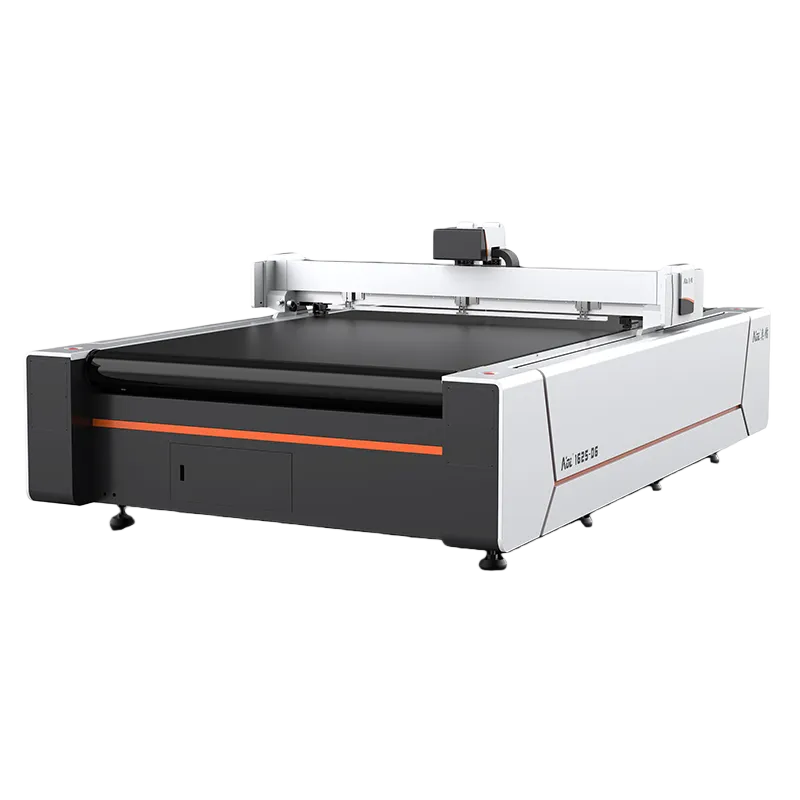
Carbon fiber and fiberglass are among the most widely used composite materials in modern manufacturing. Known for their strength, durability, and lightweight properties, they are essential in aerospace, automotive, wind energy, marine, and sports industries.
However, cutting these materials presents unique challenges. Traditional cutting methods often cause fiber damage, uneven edges, and excessive dust. A modern cnc digital cutting machine offers a highly precise and efficient solution for carbon fiber cutting and fiberglass cutting.
This article explores how CNC cutting technology transforms composite processing.
Challenges of Cutting Carbon Fiber and Fiberglass
Both materials contain tightly bonded fibers embedded in resin. During cutting, common problems include:
-
Fiber fraying
-
Delamination
-
Resin cracking
-
Surface roughness
-
Tool wear
Manual or mechanical cutting methods lack the precision needed for complex composite parts.
An advanced oscillating cutting machine integrated within a cnc digital cutting machine system significantly reduces these issues.
Why CNC Digital Cutting Machines Excel
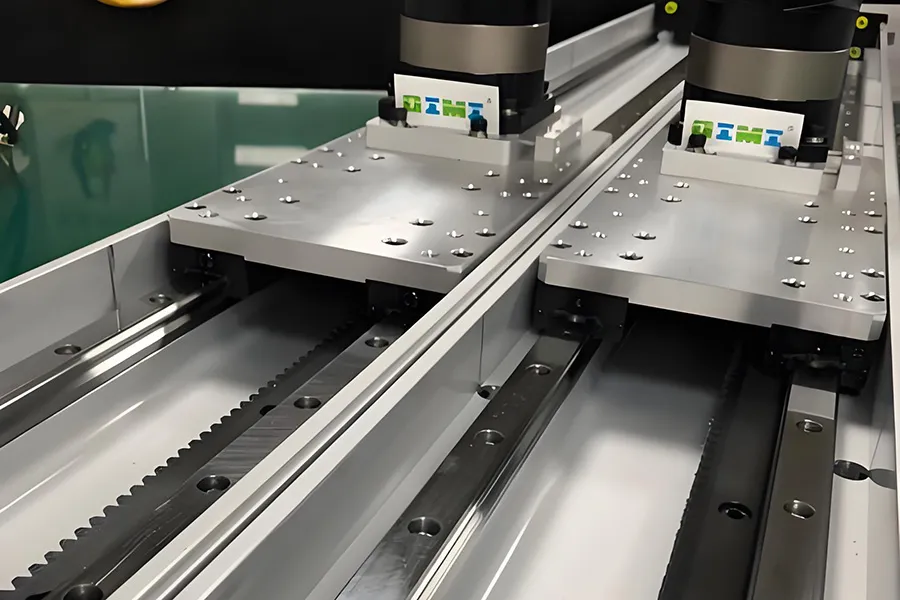
A cnc digital cutting machine uses computer-controlled movement combined with specialized cutting tools. This ensures consistent, repeatable precision.
Advantages include:
-
High precision cutting
-
Automated tool path control
-
Adjustable cutting speed
-
Minimal material distortion
-
Clean edge quality
For factories performing automated composite processing, CNC systems offer unmatched consistency.
Oscillating Cutting Technology for Composites
An oscillating cutting machine tool head vibrates at high frequency while cutting. This reduces resistance and prevents fiber tearing.
For carbon fiber cutting, oscillating blades minimize delamination.
For fiberglass cutting, vibration helps achieve smoother edges and reduces dust dispersion.
This makes oscillating technology ideal for composite cutting solutions.
Precision and Repeatability
Complex composite components require exact dimensions. A cnc digital cutting machine ensures:
-
Tight tolerances
-
Accurate contour following
-
Consistent repetition
-
Digital design integration
Precision reduces post-processing and improves final product quality.
Intelligent Nesting for Material Optimization
Material cost is high in carbon fiber manufacturing. CNC systems use intelligent nesting software to maximize sheet utilization.
Benefits include:
-
Reduced scrap
-
Lower material cost
-
Faster job setup
-
Optimized workflow
This is especially important in large-scale industrial cutting system applications.
Dust Management and Workplace Safety
During carbon fiber cutting and fiberglass cutting, airborne particles can pose health risks.
Modern CNC systems integrate:
-
Vacuum extraction
-
Dust filtration
-
Enclosed cutting zones
-
Environmental safety compliance
This improves working conditions and machine longevity.
Automation and Industry 4.0 Integration
Advanced cnc digital cutting machine systems support:
-
Production data monitoring
-
Remote diagnostics
-
Smart factory integration
-
Automated material feeding
Automation improves efficiency and reduces manual errors.
Applications Across Industries
CNC composite cutting supports:
-
Aerospace panel fabrication
-
Automotive interior components
-
Wind turbine blade trimming
-
Marine structural parts
-
Sports equipment production
High precision cutting ensures consistent structural performance.
Choosing the Right CNC Digital Cutting Machine
When selecting equipment for composite work, consider:
-
Cutting table size
-
Tool compatibility
-
Oscillation frequency
-
Software capability
-
Dust extraction integration
The right machine ensures efficient and scalable composite manufacturing.
Conclusion
Cutting carbon fiber and fiberglass requires precision, stability, and advanced technology. A high-performance cnc digital cutting machine, especially when equipped with an oscillating cutting machine tool head, delivers clean edges, consistent accuracy, and improved productivity.
As demand for lightweight composite materials continues to grow, adopting intelligent composite cutting solutions becomes essential for manufacturers seeking quality, efficiency, and competitive advantage.
Modern CNC systems are not just cutting tools — they are the foundation of advanced composite production.