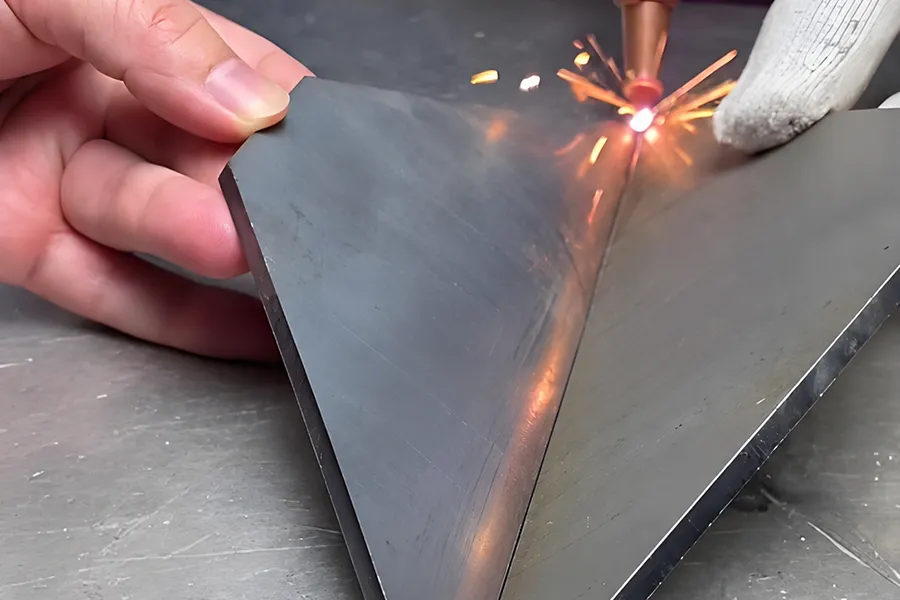
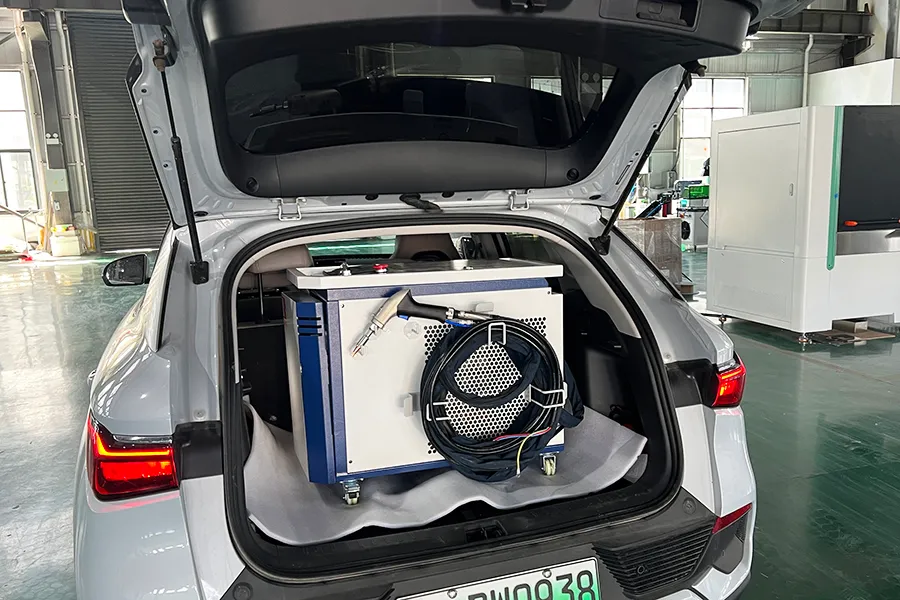
As the manufacturing industry continues to develop towards higher precision, miniaturization, and intelligence, mini laser welding machines, with their advantages of high energy density, small heat-affected zone, and flexible operation, are gaining increasing attention and application in precision welding applications, becoming one of the important welding equipment in precision manufacturing.
1. Requirements for Welding Equipment in Precision Welding Applications
Precision welding applications typically place higher demands on welding equipment, mainly in the following aspects:
1.1 Dimensional and Heat Input Control
Precision parts are often small in size and thin in wall thickness, making them extremely sensitive to heat input. Excessive heat can easily lead to deformation, burn-through, or performance degradation.
1.2 Weld Consistency and Aesthetics
In the medical, electronics, and high-end hardware fields, welds must not only be strong but also have a smooth appearance, free from obvious spatter and discoloration.
1.3 High Welding Repeatability
Precision manufacturing emphasizes consistency, requiring a repeatable and controllable welding process.
1.4 Strong Material Adaptability
Precision welding involves various materials such as stainless steel, alloy steel, aluminum alloy, and titanium alloy, requiring high equipment compatibility.
Mini laser welding machines are an ideal solution designed to meet these needs.
2. Advantages of the Mini Laser Welding Machine
2.1 Multi-functional Welding Machine
Can weld various metal materials such as carbon steel, aluminum alloy, titanium alloy, carbon steel plate, aluminized zinc plate, stainless steel, iron, and thin brass.
2.2 Upgraded Wire Feeding
- Stable 1.6mm welding wire feeding
- High-precision wire feeding welding
2.3 Simple and Easy to Operate
One person can operate it; welding is completed in one go, requiring only about one-third of the time of traditional processes.
2.4 Integrated Cabinet
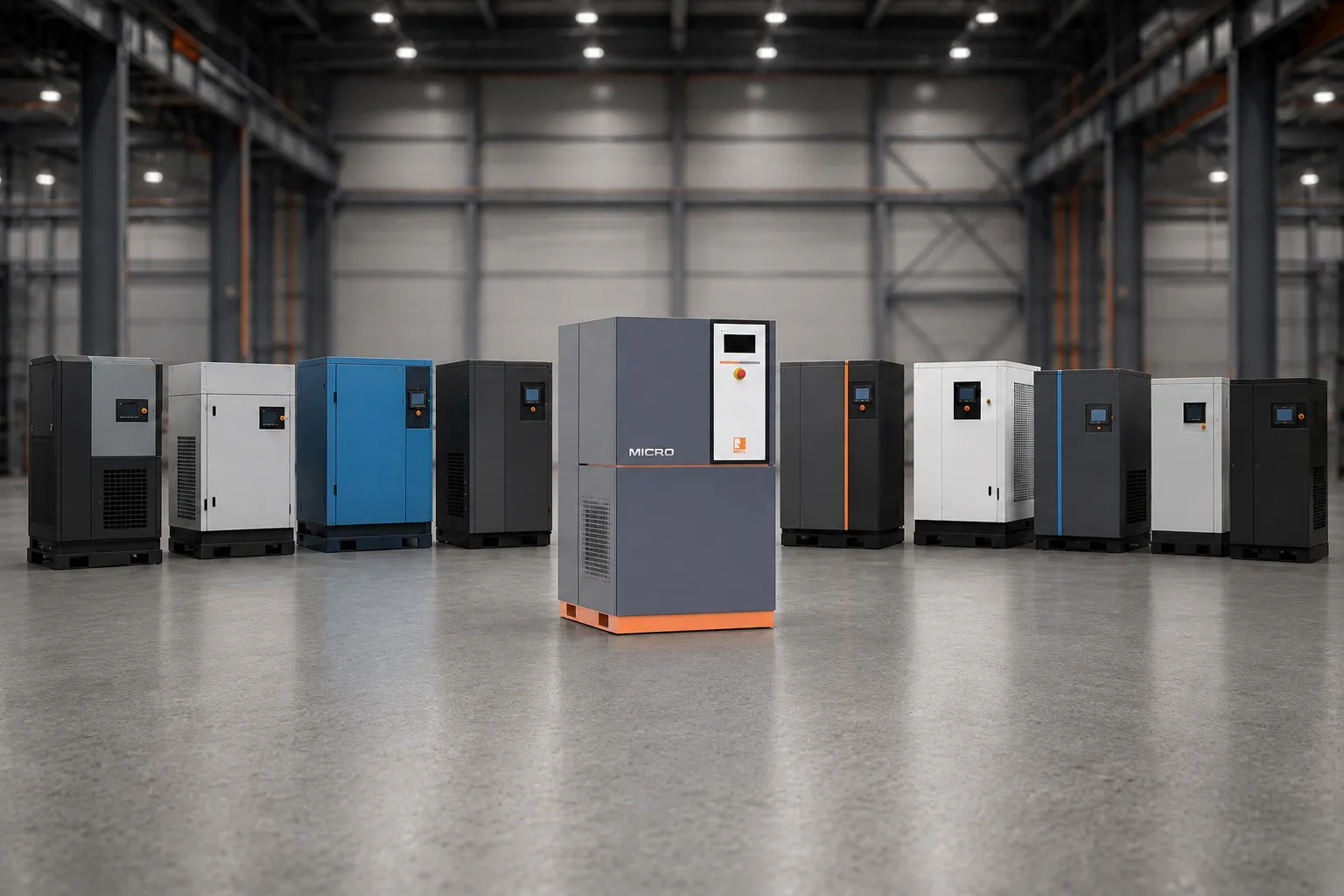
Compact and flexible; no need to set up equipment to deploy the welding station; small footprint, easy to move, and highly functional.
3. Typical Applications
3.1 Precision Electronics Manufacturing
In the welding of precision components such as smartphones, microelectronic components, and sensors, traditional welding methods are prone to thermal deformation or material damage. Mini laser welding machines, through micron-level spot focusing, can achieve precise welding of ultra-fine weld points (below 0.1mm), especially suitable for seamless connections of fragile components such as circuit board contacts and micro battery tabs. For example, the welding of TWS earphone charging contacts needs to avoid high-temperature oxidation; the non-contact nature of laser welding perfectly solves this problem.
3.2 Automotive Parts Repair and Modification
From engine oil pipes and transmission gears to new energy vehicle battery packs, mini laser welding can penetrate highly reflective materials (such as aluminum alloys), and the weld strength is close to that of the base material. Its flexible handheld design allows for operation in confined spaces, such as on-site repair of car door hinges or splicing of carbon fiber components in lightweight racing car modifications, significantly reducing rework rates.
3.3 Medical Devices and Dental Equipment
Surgical instruments (such as titanium alloy endoscope frames) and dental implants require extremely high cleanliness. The slag-free and low heat-affected zone characteristics of laser welding meet medical-grade surface treatment standards while avoiding chemical flux contamination. A certain international brand of dental chairs uses this type of equipment for joint welding, ensuring no metal fatigue cracks during long-term use.
3.4 Jewelry Craftsmanship and Precious Metal Processing
Welding of precious metals such as gold and platinum requires a balance between aesthetics and strength. By adjusting the pulse frequency, the laser can complete the fusion in 0.01 seconds, leaving virtually no trace. Renowned jewelers often use it for micro-pavement repairs of openwork pendants or closed-loop welding of custom wedding rings, increasing the yield rate by over 30%.
3.5 Maintenance of Critical Aerospace Components
Special alloy components such as aircraft turbine blades and spacecraft fuel lines require structural integrity to be maintained under extreme environments. Mini laser welding machine, combined with inert gas protection, can perform deep penetration welding or lap welding on-site, and the weld corrosion resistance is superior to traditional argon arc welding. A European airline has already included it in its engine emergency repair toolkit.
4. Selection and Application Considerations
When selecting a mini laser welding machine, the following should be considered:
- Laser power matching material thickness;
- Spot size and weld requirements;
- Cooling method and continuous working capacity;
- User interface and process adjustment flexibility;
- Safety protection and laser grade;
- Proper selection and standardized operation are key to ensuring welding quality and long-term stable operation of the equipment.
Summary
Mini laser welding machines for precision welding applications, with their advantages of high precision, low heat input, and flexible operation, provide reliable welding solutions for the precision manufacturing industry. Mini laser welding machines have demonstrated strong application potential in fields such as electronics, medical, precision hardware, and mold repair.