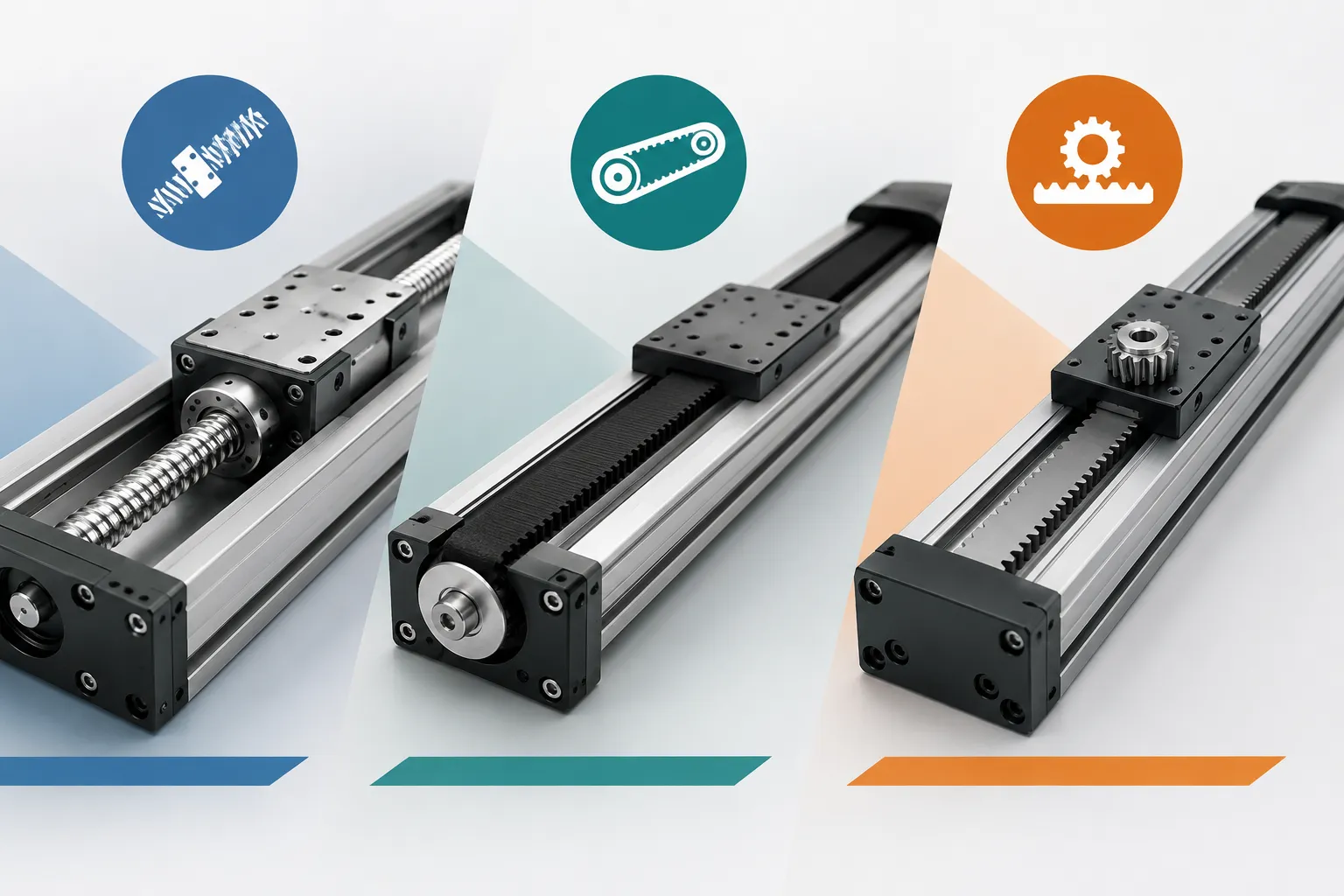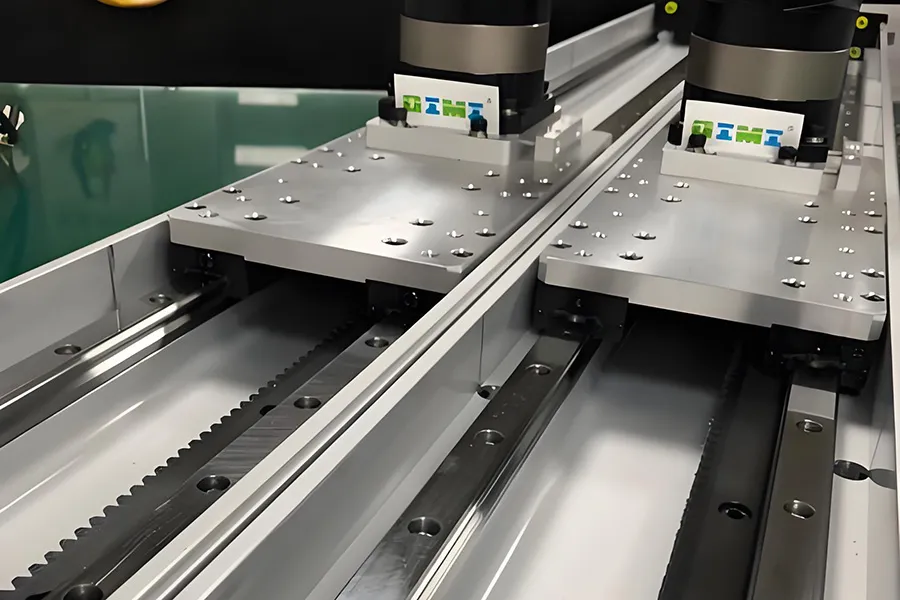
As modern industry evolves, the linear rails industry thrives as a key mechanical sector. With wide applications—from traditional machine tools to 3D printing/robotics—its growth centers on Europe, North America, Asia. Trends: digitalization, intelligence, high precision, heavy load. Manufacturers ramp up high-end R&D, leaving the industry with broad prospects yet challenges.
1. Introduction
1.1 Definition and Uses of Linear Rails
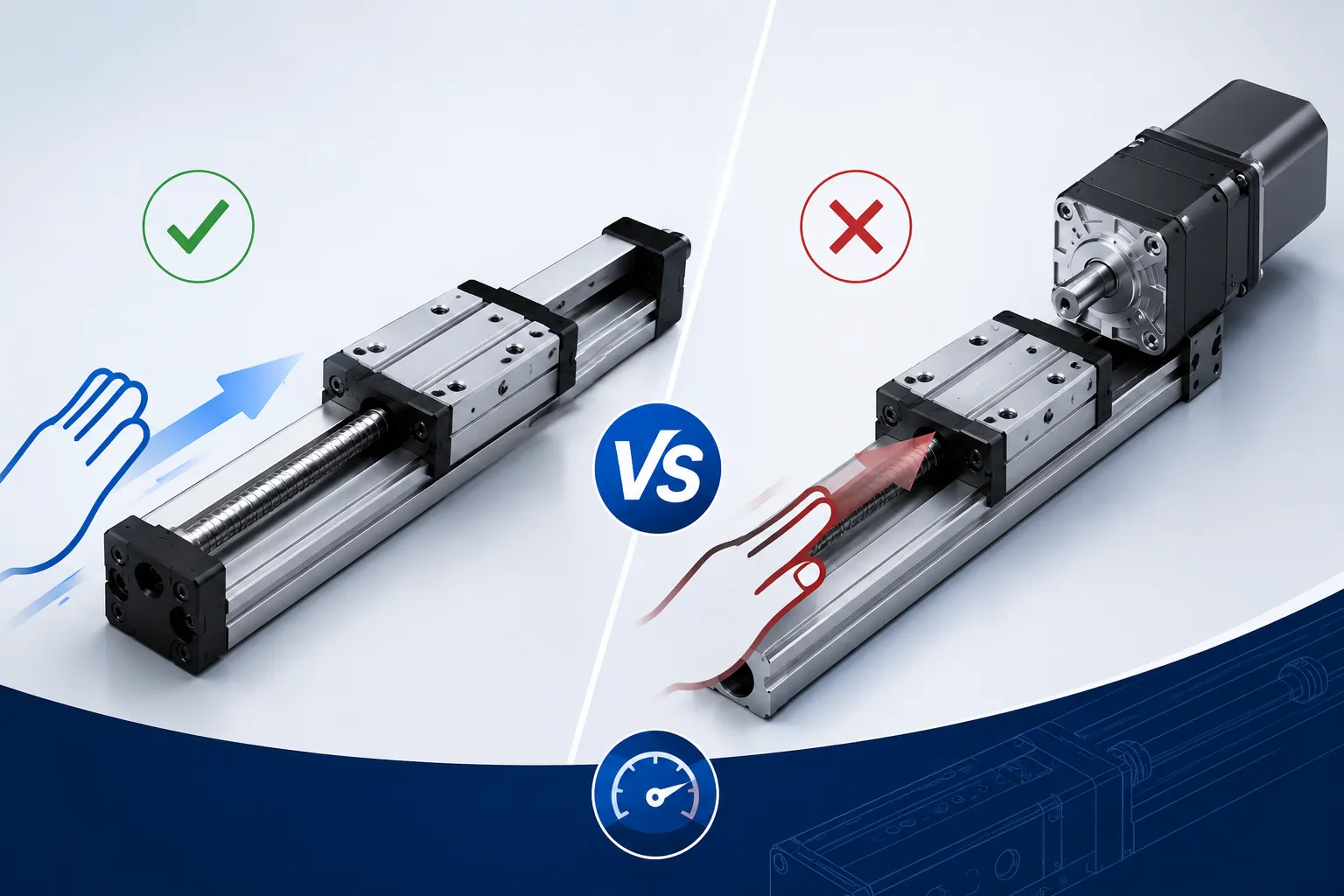
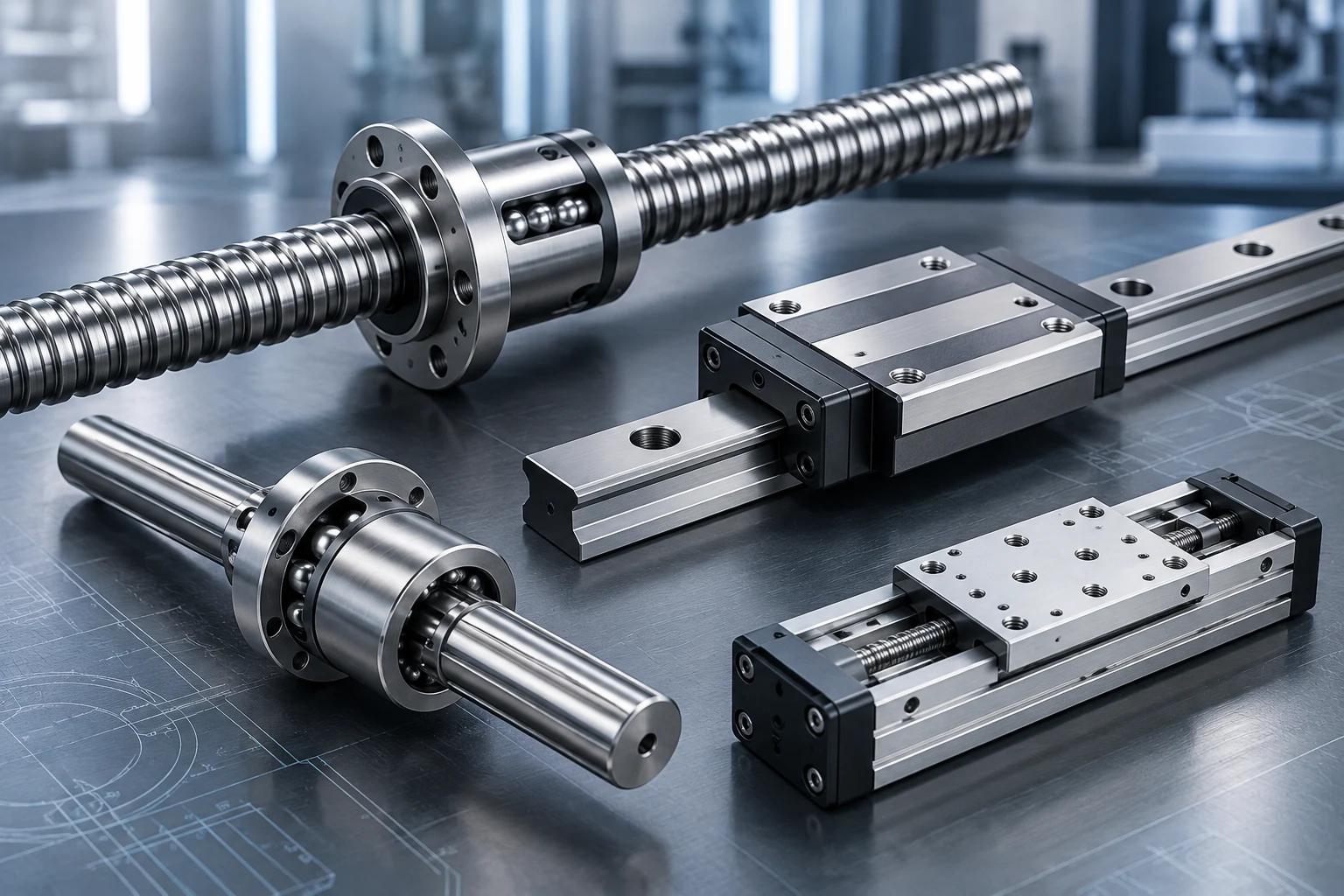
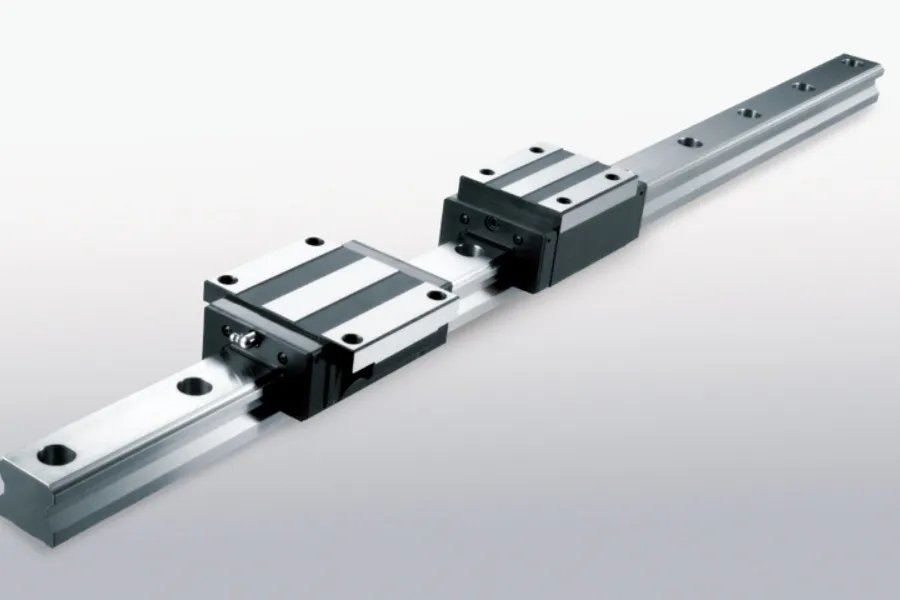
Linear rails are mechanical transmission components with a guide rail (aluminum alloy/steel straight bar) and a slider (roller assembly), providing stable trajectories and smooth guidance/load-bearing.
They are widely used in industrial automation, machine tools, autonomous driving, aerospace, facilitating linear movement/positioning for machining, transportation, testing, and robot guidance.
1.2 Application Fields of Linear Rails in Various Industries
- Machine Tool Manufacturing: Indispensable for mechanical processing, defining component trajectories to ensure high-precision part machining.
- Industrial Automation: Guide industrial robot movement and logistics goods transportation, ensuring smooth production process completion.
- Autonomous Driving: Help vehicles follow precise routes, guaranteeing safe and reliable operation.
- Aerospace: Used in moving parts of aerospace equipment, maintaining stability under extreme conditions.
1.3 Overview of the Linear Rails Market Status
Currently, the market grows rapidly, driven by manufacturing, logistics, and food/beverage industry demand. 2020 size: $15.11B; projected to $21.72B by 2026 (CAGR 6.1%).
Fastest growth lies in industrial robotics/automation, driven by manufacturing/logistics digital transformation and global robot demand. IoT/5G boost production automation/precision, fueling the market. A core component in robots, machine tools, logistics gear, high-speed trains—rising automation demand sustains strong prospects.
2. Market Analysis
2.1 Market Size and Growth Trends
The linear rails market maintains steady growth, linked to industrial automation, manufacturing, and robotics development. 2020-2026 CAGR 6.1%, expanding from $15.11B to $21.72B.
2.2 Competitive Landscape
The linear rails market features concentrated competition. Leading manufacturers and local players boast strong technical strength and production capacity, meeting diverse sectoral market needs.
2.3 Supply-Demand Dynamics and Price Trends
Rising market demand tightens linear rails’ supply-demand balance, driving steady price increases. Global manufacturing/automation growth and digital transformation fuel sustained demand growth.
2.4 Import and Export Overview
Linear rails’ import-export volume relies on countries’ manufacturing capacity and market demand. China, the world’s top manufacturing/robot hub, has large growing demand, with rising trade volumes. Europe and Japan are major exporters, shipping mainly to Asia.
3. Application Fields
3.1 Machine Tool Industry
Linear rails are key processing components for machine tool manufacturing, offering high-precision trajectories for accurate machining/positioning. In high-sensitivity/CNC machines, they ensure speed/stability—used in milling/grinders/lathes/drilling machines to boost industry precision/efficiency.
3.2 Electronics and Semiconductor Industry
In electronics/semiconductors, linear rails are used in wafer fabrication, liquid crystal production, and LCD panel equipment, ensuring high-precision movement for quality electronic component production.
3.3 Smart Manufacturing Industry
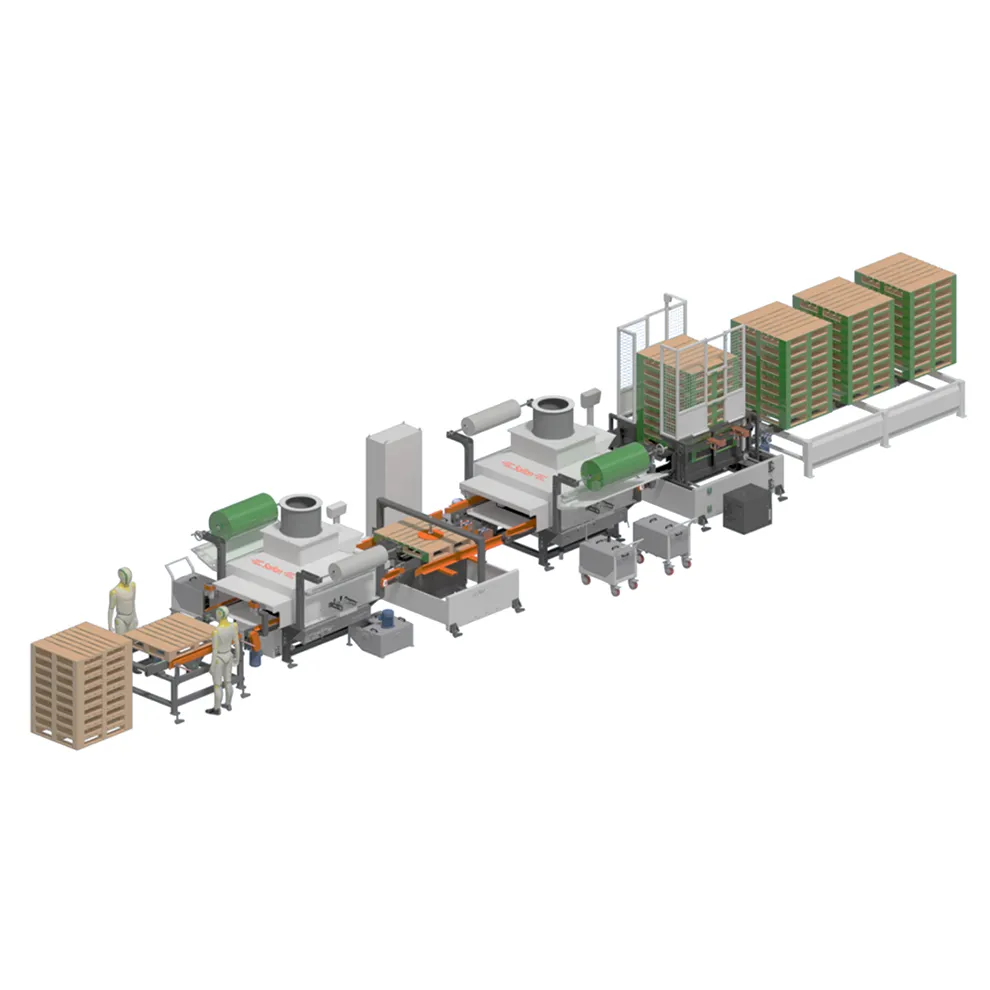
With smart manufacturing development, linear rails are increasingly applied in robots and automated systems (food processing, pharmaceuticals, chemicals), enabling precise equipment positioning/control for efficient automation.
4. Market Trend Analysis
4.1 Overview of Global Development Trends
Driven by smart manufacturing and industrial automation, linear rails demand grows. The global industry expands rapidly, with market size set to increase as new application fields emerge.
4.2 Trends in Technological Innovation and Product R&D
As technology advances and applications expand, linear rails’ R&D accelerates. Manufacturers develop new products/tech to meet diverse needs, evolving toward digitalization, intelligence, high precision, speed, and heavy-load capacity.
4.3 Regional Differences and Distribution Trends
The linear rails market has regional differences, concentrated in Europe, North America, and Asia. These regions boast advanced manufacturing/robotics, driving strong demand. In Asia, China, Japan, South Korea’s fast-growing sectors fuel regional growth.
5. Conclusions and Recommendations
5.1 Opportunities and Challenges for Future Development
As a key mechanical component, They are widely used in modern industry. Industrial development boosts demand for high-precision/heavy-load/automated machines, bringing significant industry opportunities.
The sector faces challenges: broad application across machinery/automation/3C devices, coupled with lack of unified standards, hindering management and technological innovation.
5.2 Recommendations and Outlook
- Strengthen Technological R&D: Increase investment in high-performance linear rails to enhance innovation capabilities.
- Expand Market Reach: Boost brand awareness and market share via targeted marketing and innovative strategies.
- Promote Standardization: Implement standardized management to reduce costs, lower entry barriers, and enhance competitiveness.