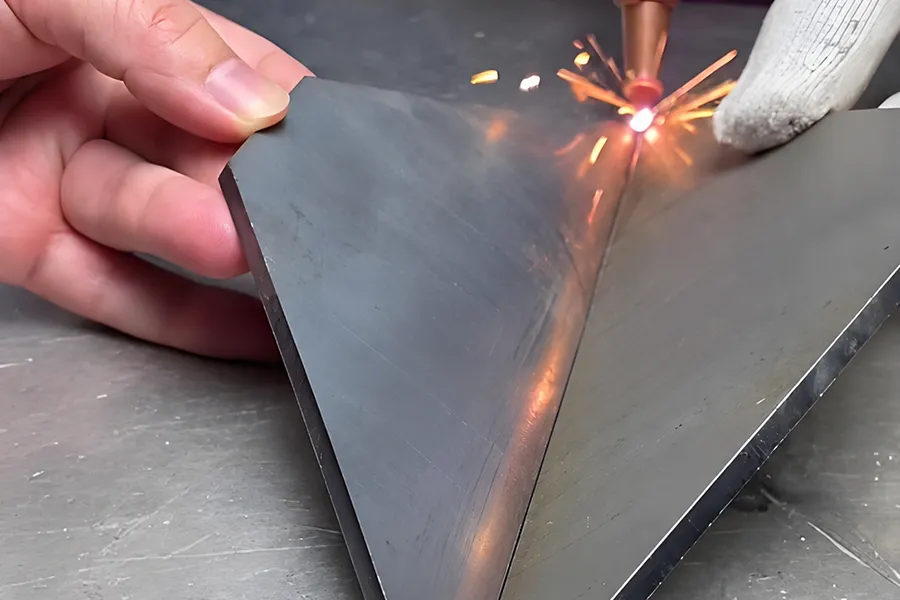
In the laser cutting industry, the air compressor is one of the most crucial pieces of equipment, second only to the laser itself. So how do you choose an air compressor truly suitable for laser cutting? This article will provide a comprehensive analysis from aspects such as exhaust volume, pressure, and air quality.
1. Why Must Laser Cutting Machines Be Paired with Professional Air Compressors?
The compressed air used in laser cutting not only serves to remove slag but also affects melting efficiency, kerf shape, and cut surface quality. Water, oil, and impurities in the air can directly contaminate the protective lens of the laser cutting head, causing quality problems such as focus drift, incomplete cuts, and increased burrs. For high-power models, this can even lead to lens damage. Therefore, choosing the right air compressor is crucial for laser equipment.
2. Core Elements of Air Compressor Selection
Since we’re discussing laser cutting air compressors, many laser cutting users may wonder how to choose the right model to match their laser cutting machine.
2.1 Exhaust Volume Selection
Generally, in terms of exhaust volume, choose an air compressor with a capacity slightly larger than the actual usage to ensure a stable air supply.
Do not blindly pursue excessively large exhaust volumes:
If the air compressor’s exhaust volume far exceeds the laser machine’s requirements, even with frequency converter control, the following problems will occur:
- Excessive air supply even at the lowest operating frequency;
- Frequent “start-run-sleep” cycles;
- Bubbling and emulsification of lubricating oil in the oil-gas separator;
- Increased oil content in the exhaust, shortening equipment lifespan;
- Frequent start-stop cycles are extremely harmful to the air compressor; therefore, selecting an excessively large compressor is detrimental.
2.2 Pressure Selection
From a pressure perspective, with sufficient laser power, higher pressure results in better cutting quality and higher cutting efficiency. However, if the laser power is insufficient, higher pressure will not provide any benefit; after all, sufficient laser power is necessary for faster melting and cutting of materials.
3. The Importance of Air Quality
Most importantly, the quality of compressed air has a very direct impact on laser cutting quality. Compressed air containing water mist and oil, if not properly treated, will be sprayed onto the protective mirror of the laser cutting head under high pressure, severely affecting the transmission of the laser beam, causing focal dispersion, resulting in incomplete cuts and defective products. Even high-powered laser cutting machines can potentially burn out the laser head.
Based on some common configurations, taking carbon steel as an example, we have roughly summarized the standards for selecting a laser cutting dedicated air compressor:
| Laser Cutting Machine | Air Compressor | Recommended Cutting Thickness (Carbon Steel) |
| <1.5kw | 11kw16kg | 2mm |
| <3kw | 15kw16kg | 4mm |
| <6kw | 15kw16kg(Large Air Volume) | 6mm |
| <10kw | 22kw16kg | 8mm |
| 12-15kw | 22/37kw 20kg | 10-12mm |
4. Laser Cutting Protective Gases
4.1 Nitrogen
Nitrogen is an inert gas that effectively protects the laser-cut surface. However, because it isolates oxygen, processing efficiency decreases. Nitrogen is also relatively expensive. Therefore, unless processing precious metals or requiring extremely high precision, CNC cutting machines rarely use bottled nitrogen as an auxiliary gas for routine processing.
4.2 Oxygen
Oxygen supports combustion, but due to the strong oxidizing properties of high-purity oxygen, the cut surface will blacken and become harder, commonly known as “scorched.” Therefore, air with an oxygen-to-nitrogen ratio of approximately 3:7 is the preferred choice for ordinary laser cutting.
4.3 Compressed Air
Compressed air primarily acts on the lenses of the laser cutting head. If it contains oil or water, it will inevitably contaminate the lenses, potentially reflecting the laser and causing damage to the collimator, focusing lens, and laser head. Therefore, the quality of compressed air is also a crucial factor affecting the quality of the final laser-cut part.
5. Mainstream Industry Solutions
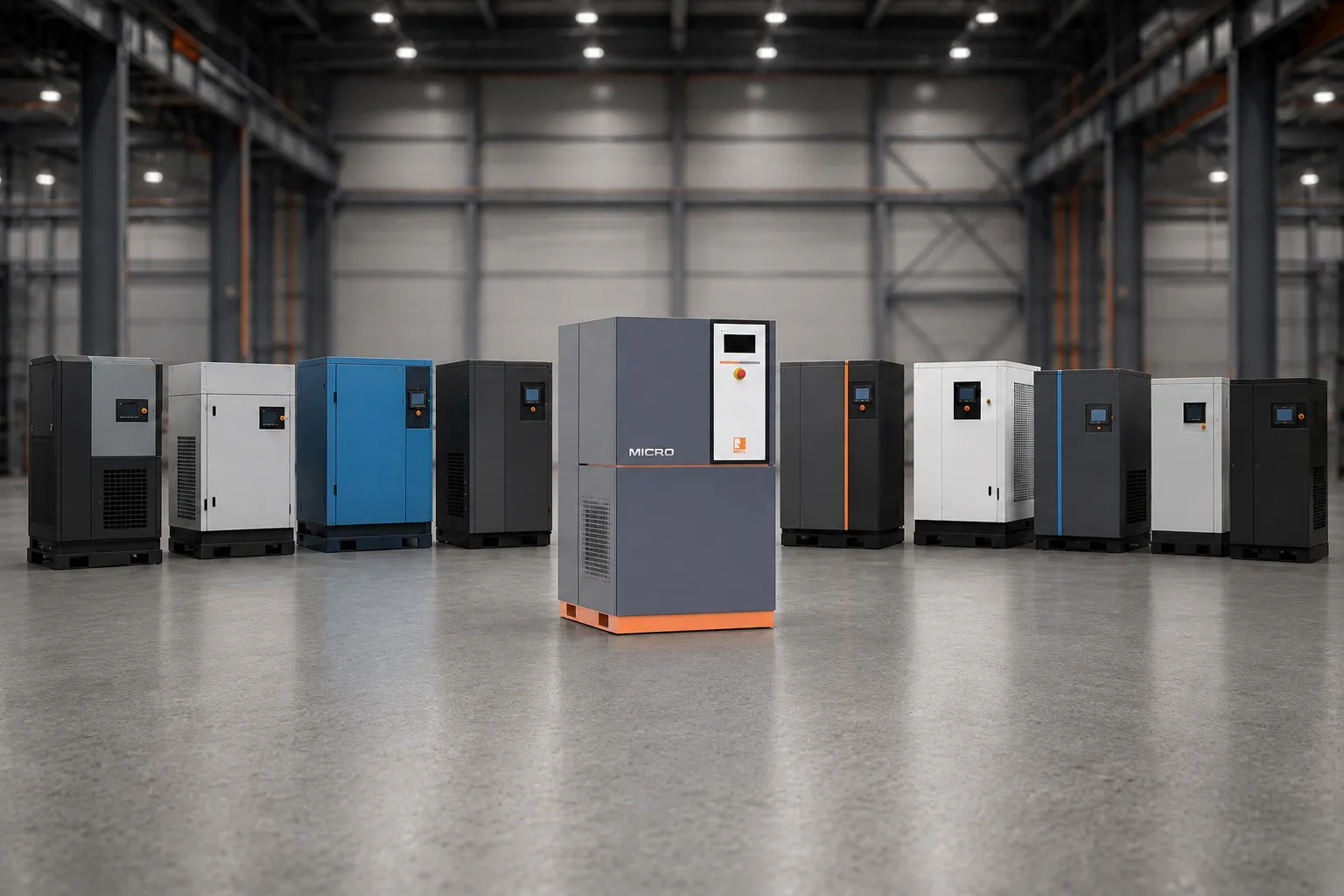
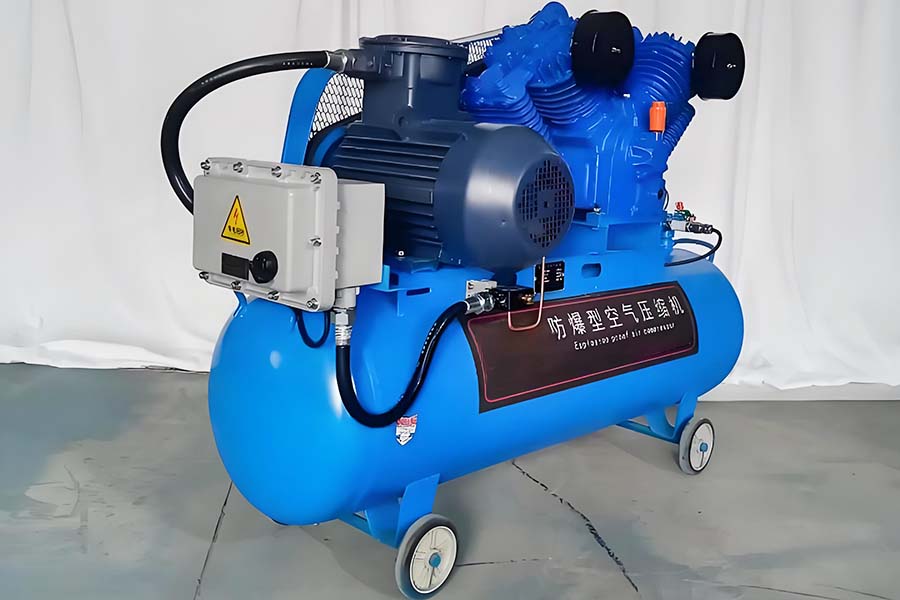
Currently, the industry standard for dedicated air compressors for laser cutting machines typically integrates a micro-oil twin-screw compressor and post-processing equipment into a complete air supply system, known as a four-in-one laser cutting air compressor.
Summary
Choosing the right air compressor can significantly improve cutting quality, extend the lifespan of laser equipment, and reduce operating costs, making it a crucial investment that laser processing companies cannot afford to ignore.