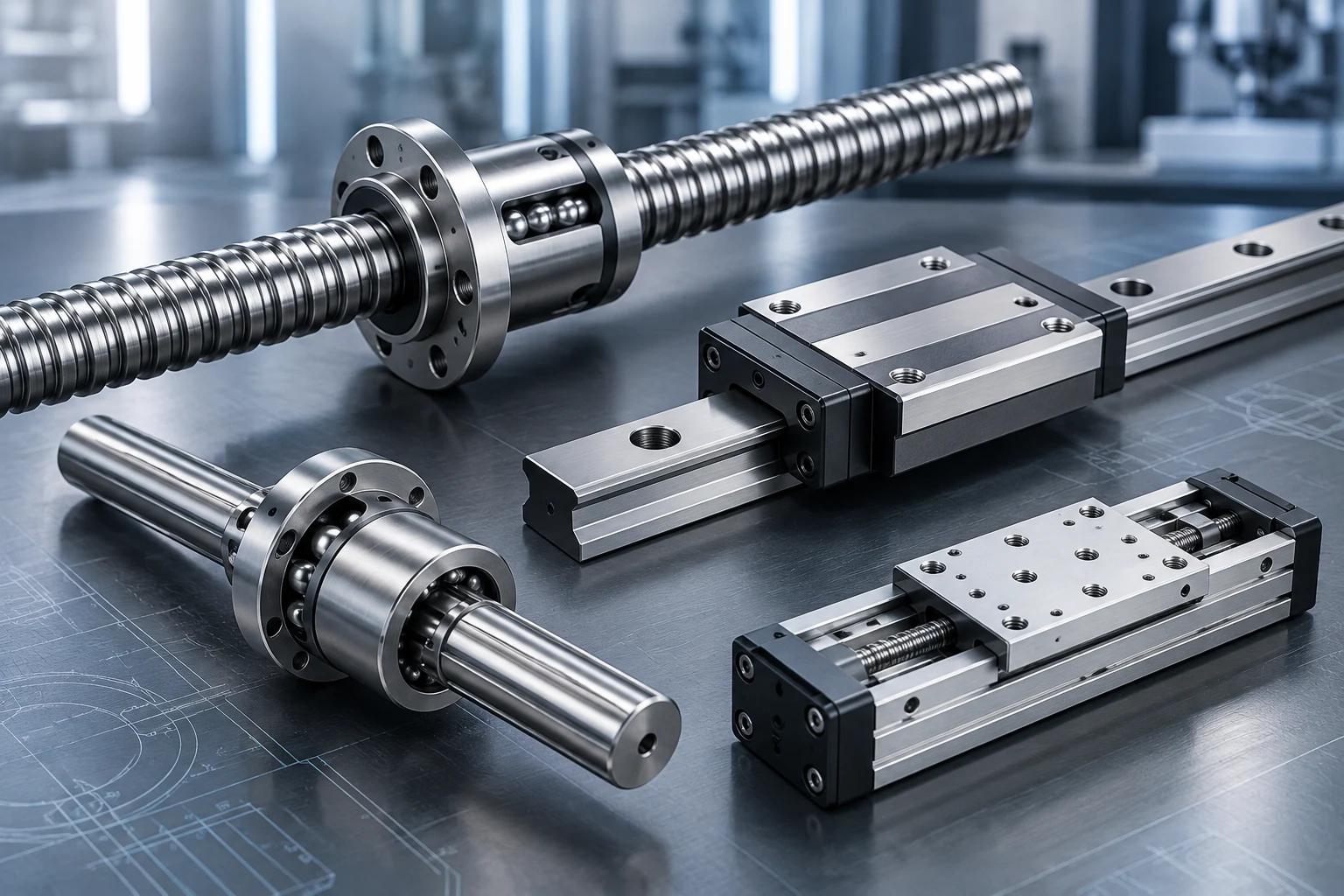
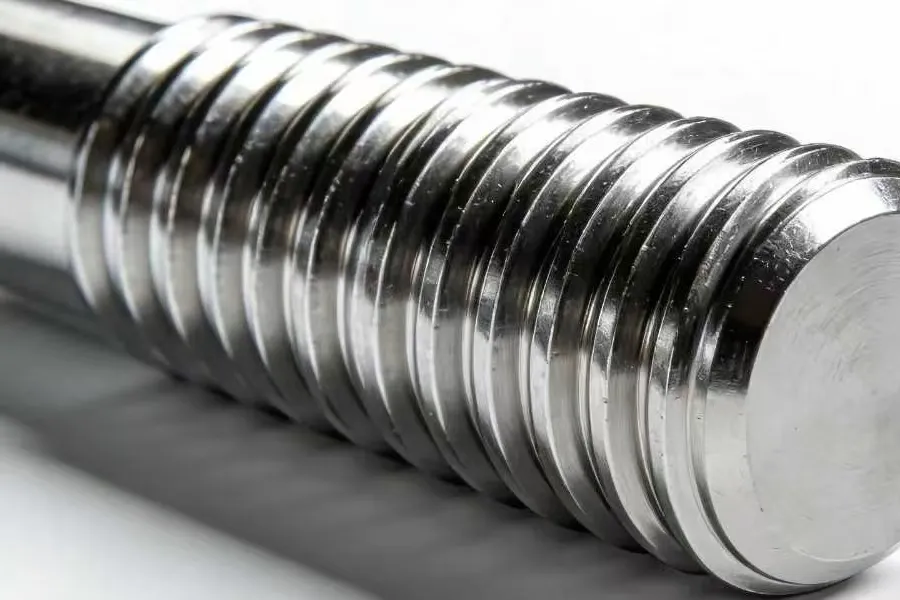
As a core foundational component sector within the high-end equipment manufacturing industry, the lead screw industry is experiencing unprecedented development opportunities. A ball screw is a precision mechanical component that converts rotational motion into linear motion. Driven by an electric motor, the screw shaft rotates, propelling the nut to move linearly. Its raw materials are primarily bearing steel and low-carbon alloy steel, with production processes similar to bearings. Currently, amid manufacturing upgrades and the surge of emerging industries, the ball screw industry faces both opportunities and challenges, driven by policy support and market demand.
1. Overview of the Lead Screw Industry
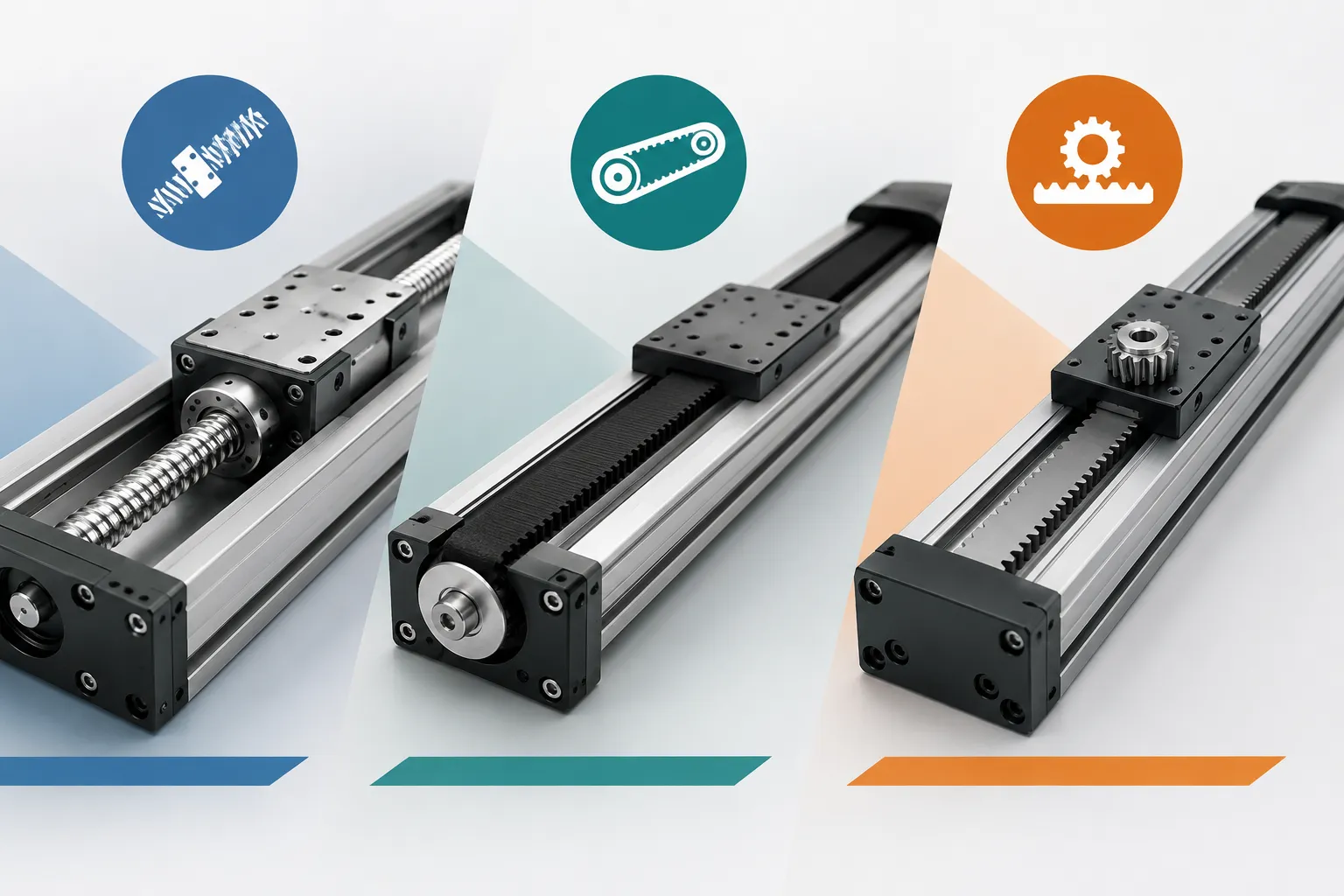
Based on friction characteristics, screws can be categorized into sliding screws, rolling screws, and hydrostatic screws. Sliding screws offer low cost and high load capacity; rolling screws—including ball screws and roller screws—feature low friction coefficients and high efficiency; hydrostatic screws, divided into liquid and gas types, excel in vibration damping and positioning accuracy.
Among these, ball screws see the widest application. Typically composed of a screw shaft, nut, steel balls, preload plates, reversing mechanism, and dust seals, these components work together to enable high-precision, high-efficiency motion conversion while minimizing friction and extending service life. Ball screws are extensively used in automotive, CNC machine tools, and mechanical engineering sectors.
2. Industry Chain Analysis of Screw Manufacturers
The upstream segment of the screw industry chain primarily involves raw material supply, component sourcing, and production equipment manufacturing, forming the foundation for screw production. Steel supply significantly impacts product quality, with high-end materials largely dependent on imports. Component precision affects overall performance, while high-precision machine tools represent a core technological barrier—domestic advancements exist, yet gaps remain compared to international standards.
The midstream involves screw manufacturing and assembly. While numerous domestic enterprises exist, their technical capabilities vary significantly. Traditional processing methods have limitations, though some companies are actively innovating processes to enhance product quality.
Downstream applications are extensive, spanning CNC machine tools, new energy vehicles, humanoid robots, aerospace, and other sectors. Performance requirements vary across industries, with demand growing alongside related industrial development. Domestic ball screws are gradually increasing penetration in certain sectors, though the high-end market remains dominated by foreign players.
3. Industry Policies
The state has introduced multiple policies to support the lead screw industry. The “Guiding Opinions on the Innovative Development of Humanoid Robots” promotes R&D of joint lead screws for humanoid robots; the “Guiding Opinions of Three Ministries Including the Ministry of Industry and Information Technology on Promoting High-Quality Development of the Casting and Forging Industry” aims to improve the lead screw industrial chain; and the “Action Plan for the Development of Intelligent Inspection Equipment Industry (2023-2025)” encourages enterprises to enhance lead screw supply capabilities.
4. Opportunities and Challenges Facing the Ball Screw Industry
(1) Opportunities
1) Policy Support Drives Development Momentum
The state places high importance on the development of high-end manufacturing and has introduced a series of policies to support the ball screw industry. In September 2023, seven ministries including the Ministry of Industry and Information Technology issued the “Mechanical Industry Growth Stabilization Work Plan (2023-2024),” implementing the “Foundation-Building” project for the reliability of basic products, with a focus on enhancing the performance of ball screws used in machine tools. These policies address multiple fronts—including R&D subsidies, industrial park development, and tax incentives—to reduce corporate costs, incentivize increased R&D investment, drive technological innovation and industrial upgrading, and foster a favorable policy environment for the lead screw industry.
2) Growing Market Demand
Amidst waves of industrial upgrading and technological advancement, the lead screw industry faces multiple development opportunities. In 2024, cumulative production of metal-cutting machine tools reached 623,000 units, marking a 21.2% year-on-year increase. The push toward high-end manufacturing is driving technological upgrades in the machine tool sector, replacing outdated equipment. High-end machine tools demand stringent precision from lead screws, compelling manufacturers to enhance product quality and expand market reach. That same year, China’s new energy vehicle production reached 11.922 million units, with sales hitting 11.682 million units—representing year-on-year growth of 35.8% and 34.7%, respectively. The surge in demand for high-precision ball screws and miniature screws for steering, braking, and intelligent driving line control systems in new energy vehicles has opened up broad prospects for the screw industry. Furthermore, as humanoid robots transition from R&D to commercial deployment—such as Tesla’s Optimus torso utilizing 14 reverse planetary roller screws—demands for screw precision and complexity have reached unprecedented levels. As critical linear actuators for humanoid robots, screw demand will surge alongside robot industrialization, driving technological upgrades and market expansion.
3) Technological Innovation Paves New Pathways
Driven by technological innovation, the screw industry is embracing fresh development opportunities. Researchers are exploring novel materials like special alloy alloys and high-performance ceramics for screw manufacturing. These materials offer high strength, hardness, wear resistance, and fatigue resistance, enhancing screw load capacity, precision retention, and service life. This facilitates the development of products suited for extreme conditions and specialized requirements, expanding application domains. Simultaneously, intelligent technologies are driving the integration of lead screws with sensors and smart control systems to achieve intelligent transmission. Built-in sensors enable real-time monitoring of operational parameters, facilitating precise control and fault early warning. This elevates equipment automation and intelligence levels, meeting smart manufacturing demands and creating new opportunities for the lead screw industry.
(2) Challenges Faced
1) Technical Bottlenecks Hinder Development
China’s lead screw industry confronts dual technical challenges. On one hand, it lags behind international standards in high-precision lead screw manufacturing. Weak foundational research in thread grinding processes and partial reliance on imported precision machining equipment and advanced manufacturing techniques for high-end production constrain domestic enterprises’ technological advancement and high-end product capabilities. On the other hand, screw technology innovation demands substantial investment, extended timelines, and high risks. Each stage—from material R&D and process refinement to product validation—requires significant resources with uncertain outcomes. Most smaller domestic enterprises struggle to bear the high R&D costs due to limited capital and technical capabilities, thereby hindering overall industry technological advancement.
2) Fierce Market Competition
The ball screw industry faces dual competitive challenges. Internationally renowned companies like Japan’s NSK, THK, and Sweden’s SKF dominate the global high-end market through technological, brand, and supply chain advantages. Their products are favored in premium sectors such as aerospace and semiconductor manufacturing, leaving domestic enterprises with minimal market share and immense competitive pressure. Meanwhile, the mid-to-low-end market features a large number of domestic players with highly homogeneous products. Companies predominantly adopt low-price competition strategies, leading to market price volatility, declining profitability, and hindered R&D investment and technological upgrades—all of which undermine the industry’s healthy and sustainable development.
3) Talent Shortage Becomes Pronounced
The lead screw industry’s growth requires a substantial pool of specialized technical talent, including professionals in mechanical design, materials science, and precision machining processes. Currently, the industry faces a talent shortage dilemma. On one hand, the training of relevant professionals in universities is out of sync with actual corporate needs, resulting in graduates lacking practical skills. On the other hand, the industry’s working environment and compensation offer limited appeal to talent, leading to severe brain drain. This shortage constrains corporate technological innovation and production efficiency improvements, hindering the development of the lead screw industry.
4) Heightened Environmental and Safety Requirements
As societal awareness of environmental protection and safety grows, the lead screw industry faces stricter demands. Production processes must adopt eco-friendly materials and techniques to minimize pollution. In application scenarios such as aerospace and medical fields, lead screws must meet elevated safety standards. This necessitates increased corporate investment in environmental compliance, safety infrastructure, and technological upgrades, thereby raising production costs.
5. Industry Competitive Landscape and Key Players
The ball screw industry is currently dominated by international players, but Chinese companies are accelerating technological innovation and aligning product quality with international standards, showing a clear trend toward domestic substitution. China’s ball screw industry has formed a three-tier structure: – First Tier: Nanjing Process and BOTEC Precision Engineering lead the market with deep expertise in planetary ball screws. – Second Tier: Companies like Best and Qinchuan Machine Tool are in the R&D and trial production phase. Some precision machinery component manufacturers are expanding product lines and enhancing technology to increase market share. The third tier comprises potential entrants from related fields, represented by companies like Hengli Hydraulic and Changsheng Bearing.
As market demand grows and technology advances, internal competition within the lead screw industry will intensify, accelerating the turnover of leading enterprises. Chinese lead screws will progressively align with internationally advanced products, achieving greater breakthroughs in key areas such as precision lead screws, ball screws, and planetary roller screws. This will propel the entire industry toward high-quality, high-value-added development.