Wooden pallet production may look simple from the outside, but a reliable production workflow requires careful coordination between raw material preparation, cutting, assembly, nailing, inspection, stacking, and storage. When any step is poorly planned, the entire line can suffer from bottlenecks, inconsistent pallet quality, material waste, and higher labor costs.
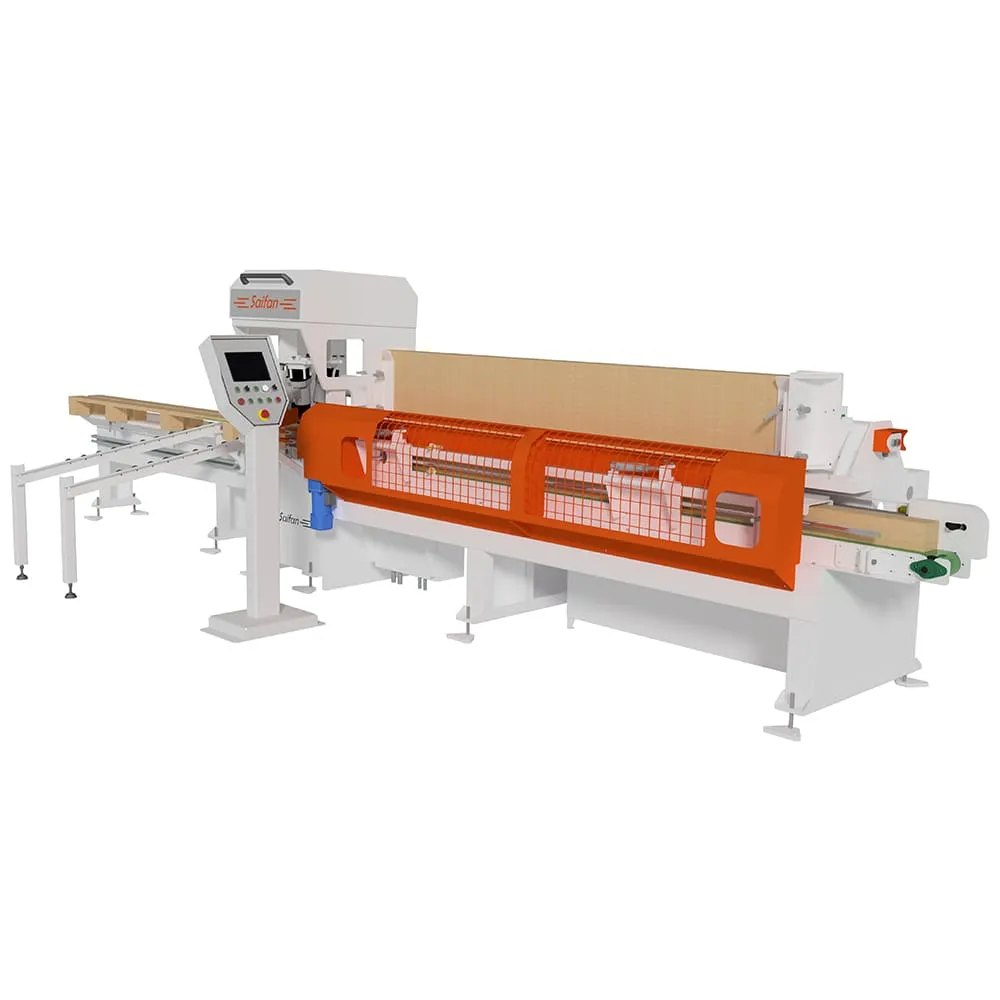
A modern pallet factory should not only focus on one machine. It should design the full workflow around material flow, production speed, pallet specifications, labor allocation, and quality control. For readers who want to understand how machinery connects each stage of pallet production, this guide to the pallet maker machine production process explains how raw materials are transformed into finished pallets through cutting, assembly, nailing, conveying, stacking, and inspection.
1. Start With Consistent Raw Material Preparation
The first step in an efficient pallet workflow is preparing lumber with consistent dimensions and moisture condition. Deck boards, stringers, and blocks should be cut accurately before they enter the assembly stage. If the raw material varies too much in length, thickness, or straightness, downstream machines may require frequent adjustment.
Poor material preparation can also lead to weak joints, uneven pallet surfaces, and higher rejection rates. For factories producing export pallets or custom industrial pallets, stable raw material preparation is especially important because customers often require consistent size, strength, and appearance.
2. Use Accurate Cutting and Sorting
Cutting accuracy directly affects pallet strength and assembly efficiency. Automated saws and sorting systems can help reduce manual measurement errors and improve material utilization. When boards are cut to the correct size before assembly, operators spend less time correcting misalignment.
Sorting is also important. Boards with cracks, excessive warping, or major defects should be separated before they enter the production line. This reduces machine stoppages and prevents defective materials from becoming finished pallets.
3. Optimize Pallet Assembly Layout
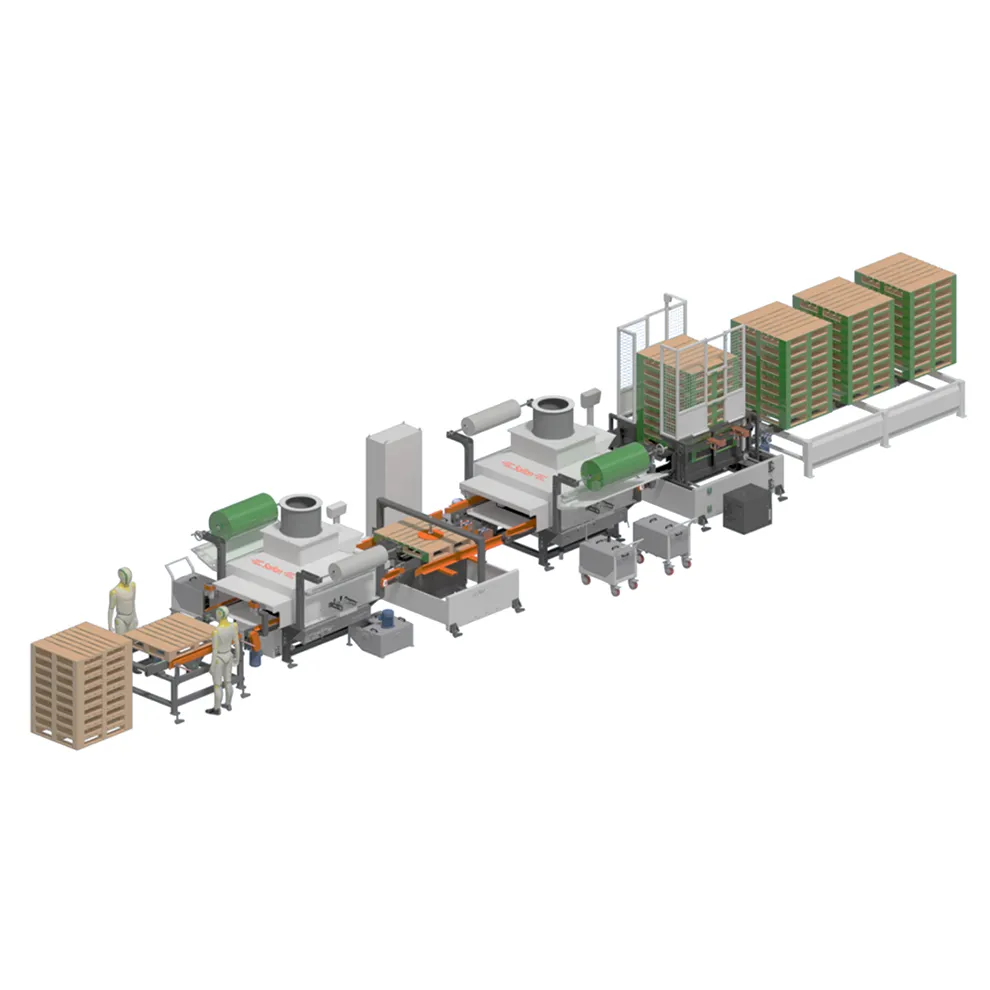
The assembly area should be designed to reduce unnecessary movement. Materials should flow naturally from cutting to positioning, nailing, inspection, and stacking. If workers need to carry boards across the workshop or move finished pallets manually over long distances, production efficiency will drop.
A good layout places board feeding, pallet templates, nailing equipment, and conveyors in a logical sequence. This helps reduce handling time and keeps the production rhythm stable.
4. Improve Nailing Accuracy and Joint Strength
Nailing is one of the most important steps in wooden pallet production. Nail position, nail depth, and fastening pattern all affect pallet durability. Manual nailing can work for small production volumes, but it often creates variation between workers and batches.
Automated nailing equipment helps standardize the process. Programmable nail patterns, controlled pressure, and repeatable positioning can improve joint consistency and reduce rework. This is especially useful when producing large quantities of the same pallet design.
5. Add Conveying and Stacking Systems
Conveyors and stacking systems can greatly improve workflow efficiency. Instead of manually moving pallets from one station to another, conveyors allow finished pallets to move automatically to inspection, branding, packaging, or storage areas.
Automatic stacking also saves labor and helps keep the workshop organized. For high-volume pallet production, stacking systems reduce physical workload and make it easier to prepare pallets for shipment.
6. Build Quality Control Into the Workflow
Quality control should not only happen at the end of production. Factories should check material quality, cutting accuracy, board alignment, nail placement, pallet size, and final stacking condition throughout the process.
Early inspection helps prevent repeated defects. For example, if poor board alignment is found during assembly, the cause may be machine setup, material variation, or incorrect positioning. Fixing the issue early prevents large batches of defective pallets.
7. Consider Automation for Long-Term Growth
Automation is most valuable when a factory needs stable output, lower labor dependency, and better product consistency. A small workshop may begin with semi-automatic equipment, while a larger pallet manufacturer may need a full production line with automatic feeding, nailing, conveying, stacking, and inspection.
If you are planning to upgrade pallet production equipment, HICAS provides wooden pallet nailing machine solutions that can be used as a reference for different pallet assembly and production requirements.
Conclusion
An efficient wooden pallet production workflow depends on more than one machine. It requires accurate raw material preparation, stable cutting, logical workshop layout, reliable nailing, smooth material handling, and continuous quality control. By improving each stage of the process, pallet manufacturers can reduce waste, increase output, improve pallet consistency, and build a more competitive production operation.