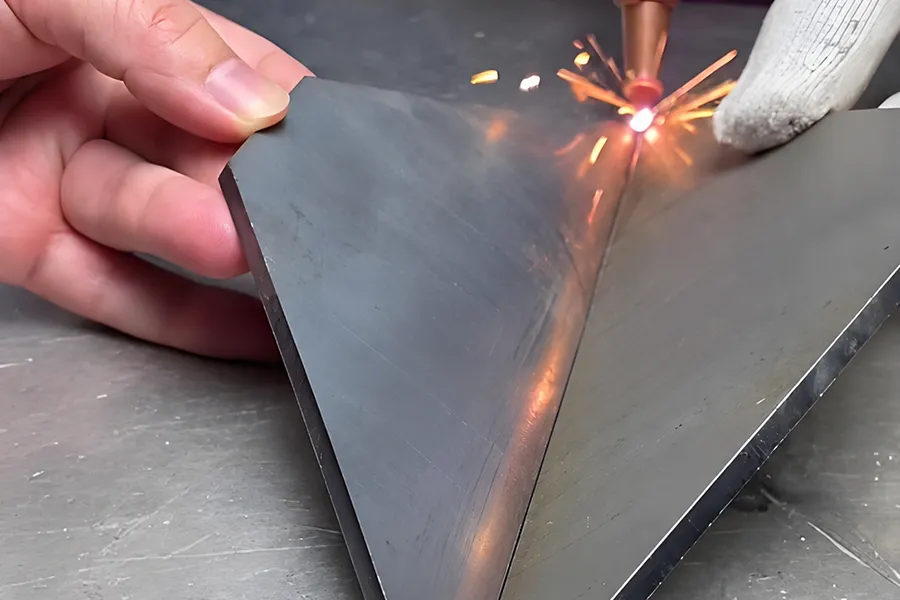
The transition from traditional welding to laser welding is a significant investment for any manufacturing facility. While the technology offers unmatched speed, precision, and efficiency, the success of this transition depends heavily on selecting the right laser welding supplier.
In this guide, we explore the critical factors to evaluate when choosing a partner for your industrial welding needs, optimized for modern manufacturing efficiency.
1. Technical Expertise and Material Compatibility
Not all laser welding machines are created equal. Different materials—such as stainless steel, aluminum, copper, and carbon steel—require specific laser configurations. For instance, precision tasks may require a mini laser welding machine specifically designed for fine work. A reliable supplier should offer:
- Fiber Laser Source: High-quality laser sources (e.g., Raycus, MAX, or IPG) that match your material thickness and reflectivity.
- Wobble Welding Technology: Advanced suppliers offer wobble welding heads that allow for wider seams and better tolerance for fit-up gaps, essential for complex components.
2. Component Quality and Reliability
A laser welder is only as good as its weakest component. Ask your supplier about the brands and specifications of the following core components:
- Laser Head: Whether it is a dual-pendulum or single-pendulum head for different precision needs.
- Cooling System: An integrated industrial chiller capable of 24/7 heavy-duty operation.
- Control System: User-friendly software that supports multiple languages and offers intelligent welding presets. Understanding the robot laser welding working process can help you evaluate these systems better.
3. Customization and Scalability
Your production needs may grow over time. A top-tier laser welding supplier should provide scalable solutions:
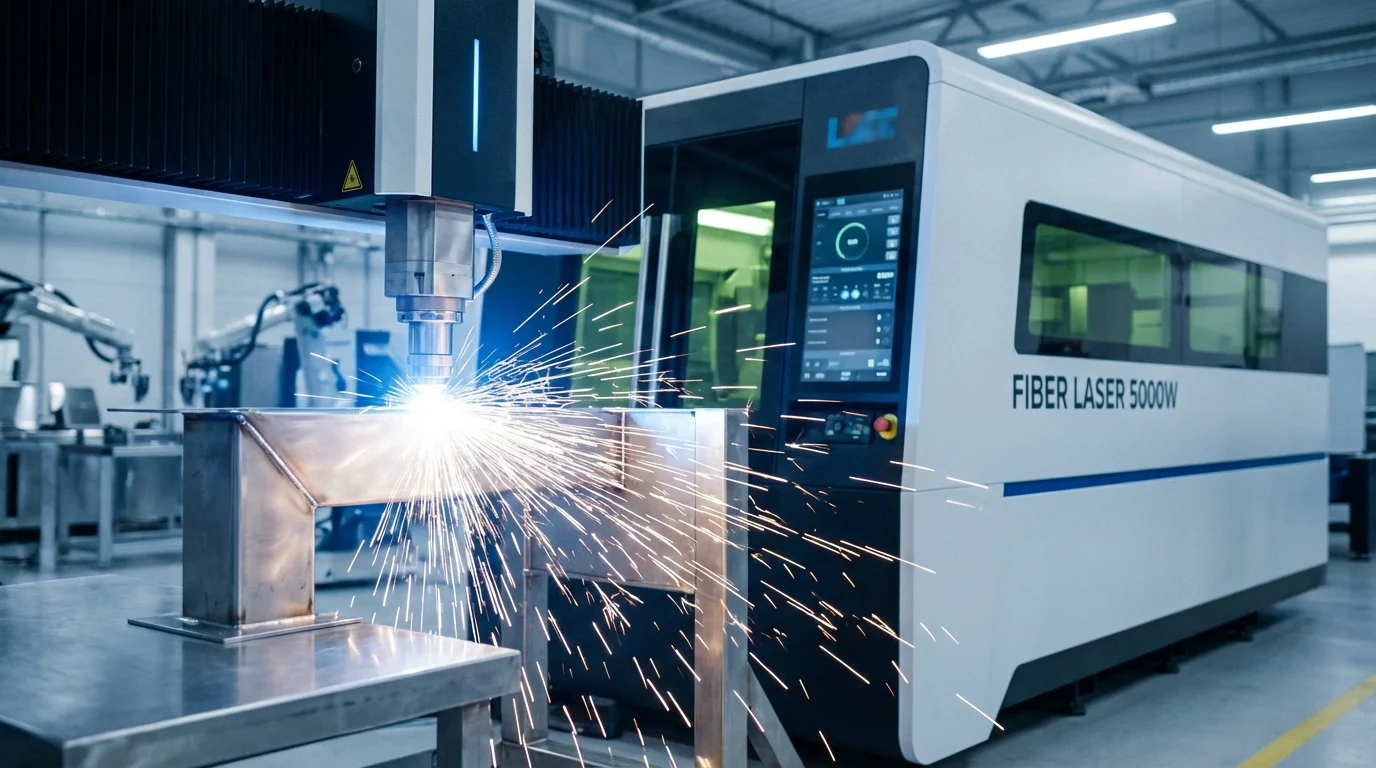
- Handheld vs. Robotic: Solutions ranging from manual handheld fiber laser welders to fully automated automatic welding robots.
- Integration: The capability to integrate welding units into existing production lines or fully automated manufacturing cells.
4. After-Sales Support and Training
Laser technology requires specialized knowledge to maximize its potential. Your supplier must offer comprehensive support:
- Operator Training: Detailed on-site or remote training to ensure safe and efficient operation.
- Maintenance Support: Rapid access to consumable spare parts (nozzles, protective lenses) and technical troubleshooting.
- Warranty Terms: Clear and transparent warranty on the laser source and other core components.
5. ROI and Cost-Effectiveness
While the initial cost of a laser welder is higher than traditional MIG/TIG machines, the Return on Investment (ROI) is often achieved within 6-12 months. When evaluating providers, it’s also helpful to research how much a robot welder costs to benchmark your investment.
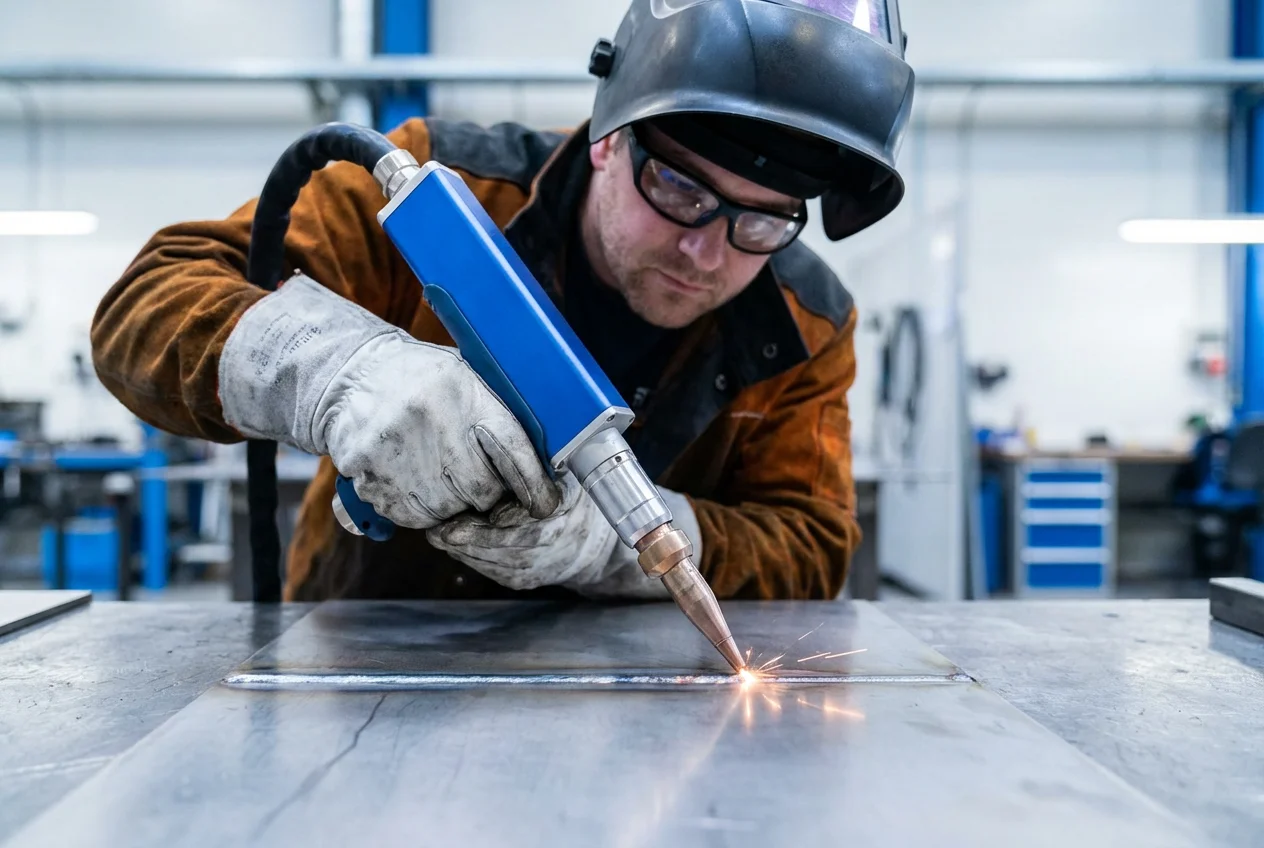
- Labor Savings: Welding speeds up to 4-10 times faster than traditional methods significantly reduce man-hours.
- No Post-Processing: High-quality, clean welds require minimal grinding or polishing, saving time and consumables.
- Energy Efficiency: Fiber lasers are highly energy-efficient, lowering overall operational costs.
Conclusion
Selecting the right laser welding supplier is more than a purchase—it is a strategic partnership. By focusing on technical expertise, component quality, and long-term support, you can ensure your manufacturing process remains competitive in the global market.